The Vital Role of Regular Brake and Clutch Maintenance

Fischer Automotive Client • 11 April 2024

Brake and Clutch Maintenance

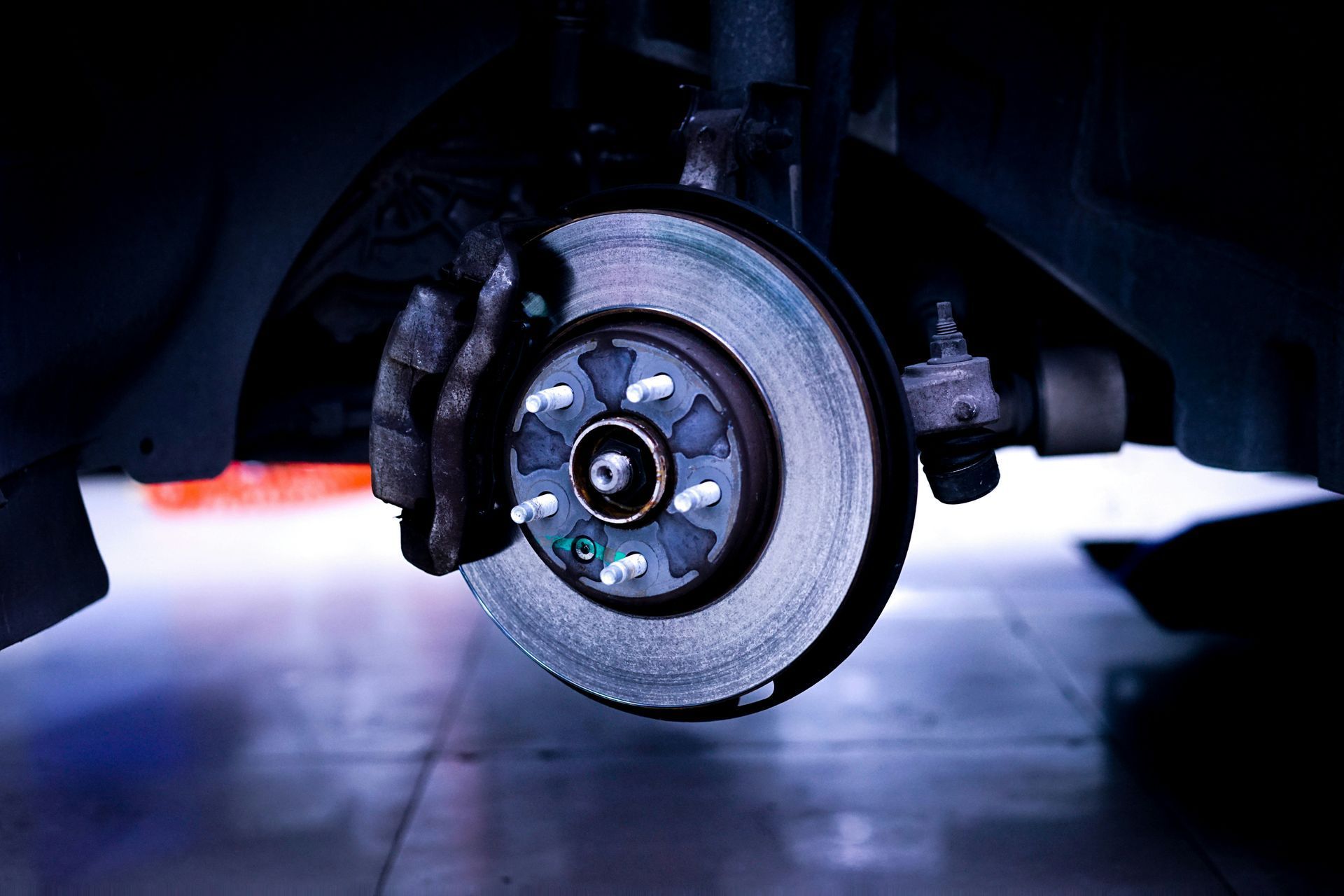
A Close Up of a Brake Disc on a Car — Fischer Automotive in Svensson Heights, QLD

In the intricate symphony of a well-functioning vehicle, brakes and clutches are the unsung heroes. Yet, their significance often goes unnoticed until they falter, leaving us in precarious situations. It's crucial to understand the pivotal role that regular maintenance plays in ensuring the optimal performance and safety of these vital components.


Imagine hurtling down the highway, the wind in your hair and the open road ahead, only to find that your brakes are sluggish or unresponsive. Such a scenario can quickly escalate into a nightmare if proper maintenance is neglected. Similarly, a malfunctioning clutch can turn the smoothest drive into a jerky, nerve-wracking ordeal.


Regular maintenance serves as a proactive measure against such calamities. By adhering to a scheduled maintenance routine, drivers can preemptively identify and address potential issues before they escalate into major problems. This not only ensures the safety of the driver and passengers but also safeguards the longevity of the vehicle.


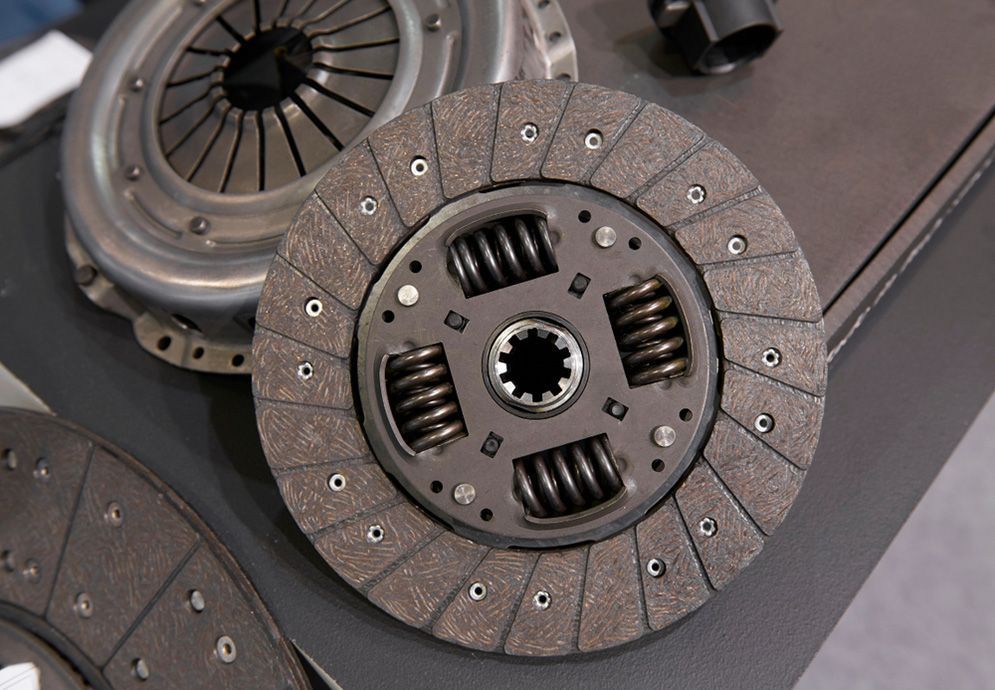
Brakes and clutches endure significant wear and tear during everyday use. From stop-and-go traffic to abrupt stops, they bear the brunt of our driving habits. Over time, components such as brake pads, rotors, and clutch plates naturally degrade. However, routine inspections and servicing can mitigate this wear, prolonging the lifespan of these critical parts.


Furthermore, neglecting brake and clutch maintenance can lead to more than just mechanical failures. It can also impact fuel efficiency and overall driving performance. A worn-out brake system, for instance, requires more force to bring the vehicle to a stop, resulting in increased fuel consumption. Similarly, a slipping clutch not only compromises acceleration but also strains the engine, leading to decreased efficiency.


In addition to the financial and performance implications, overlooking brake and clutch maintenance can compromise safety on the road. Brakes are the primary mechanism for deceleration, while clutches facilitate smooth gear transitions. Any impairment in these systems can jeopardise the driver's ability to control the vehicle, especially in emergencies.


Fortunately, maintaining brakes and clutches doesn't have to be a daunting task. Partnering with a reputable mechanic who specialises in brake and clutch repair is the first step towards proactive maintenance. These professionals possess the expertise and diagnostic tools necessary to identify potential issues and perform timely repairs or replacements.


Furthermore, staying informed about the signs of brake and clutch wear can empower drivers to take proactive measures. Squealing or grinding noises when applying the brakes, vibrations or pulsations while braking and difficulty shifting gears are all red flags that warrant immediate attention.


In conclusion, the importance of regular brake and clutch maintenance cannot be overstated. These components are the linchpins of vehicle safety and performance, and neglecting their upkeep can have dire consequences. By prioritising routine inspections and servicing, drivers can enjoy peace of mind knowing that their brakes and clutches are operating at peak efficiency. After all, when it comes to vehicle maintenance, an ounce of prevention is worth a pound of cure.


For professional brake and clutch repair services, trust the experts at Bundaberg Mechanic. With their dedication to quality craftsmanship and customer satisfaction, you can rest assured that your vehicle is in good hands.

by Fischer Automotive Client 20 April 2026
Short answer: no. But you'd be forgiven for thinking otherwise. If you've ever bought a new car, you've probably felt a quiet pressure to take it back to the dealership every time a service is due. The logbook has a box for their stamp, the salesperson mentioned it at handover, and somewhere in the back of your mind there's a worry that going elsewhere might void your warranty. It's one of the most persistent myths in Australian motoring, and it costs drivers a lot of money every year. Here's what's actually going on, and what your rights are. The Warranty Myth, Debunked Under Australian Consumer Law, you are legally entitled to have your car serviced by any qualified, independent mechanic without voiding your manufacturer's warranty. The Australian Competition and Consumer Commission has been explicit about this for years. Any licensed repairer can carry out your logbook service, stamp your book, and your warranty remains completely intact, as long as the work is done to manufacturer specifications using quality parts. The ACCC has also acknowledged that some manufacturers and dealerships have used confusing language in logbooks and service manuals to create the impression that dealer servicing is mandatory. It isn't. If a warranty claim is ever declined solely because your car was serviced outside a dealership, that's actually a problem the ACCC wants to hear about. There is one exception worth knowing: if you've purchased a separate extended warranty through the dealer (not the standard manufacturer's warranty that came with the car), that extended warranty may have its own conditions requiring dealer servicing. It's worth checking the fine print on any add-on warranty products. But your standard factory warranty? That's protected regardless of where you service. What a Logbook Service Actually Is A logbook service follows the specific maintenance schedule your vehicle's manufacturer has set out for that make and model. It's not a one-size-fits-all service. Different cars have different intervals, different fluid specifications, different components that need checking at different mileage points, and a proper logbook service accounts for all of that. The difference between a logbook service and a standard service is documentation and precision. A standard service covers the basics: oil, filters, a general check. A logbook service works through every item on the manufacturer's schedule for that particular interval, records it properly, and gets stamped in your logbook. That record matters for two reasons: it keeps your warranty valid, and it protects your car's resale value. A complete, stamped service history is one of the first things a buyer or dealer looks at when assessing a used vehicle. Why It Matters More Than People Realise Skipping logbook services, or substituting them with cheaper basic services, might save a bit of money in the short term. Over time though, the costs compound in a few ways. Manufacturer-specified maintenance exists because engineers have worked out exactly what a vehicle needs at each interval to perform correctly and last the distance. When those intervals get ignored or done incompletely, small issues that would have been caught early become larger ones. Worn brake fluid absorbs moisture and loses effectiveness. Timing belts stretch beyond spec and then break. Coolant degrades and the system starts running hot. None of these announce themselves loudly until they've already become a real problem. Then there's resale. A car with a full, properly stamped service history is worth noticeably more than the same car without one. Buyers pay attention to this, and so do dealers when they're valuing a trade-in. The money you save skipping services rarely offsets what you lose when it's time to sell. How to Know When Your Logbook Service Is Due Your logbook will tell you. Most manufacturers schedule services based on either a kilometre interval (commonly every 10,000 or 15,000 km depending on the vehicle) or a time interval (often every 12 months), whichever comes first. Both matter. A car that's done low kilometres but sat for 18 months still needs a service, because fluids and seals deteriorate over time regardless of how much the car has moved. If you're not sure where your car is in its service schedule, a good mechanic can check the logbook and the vehicle's current condition and advise you from there. What to Expect at Fischer Automotive At Fischer Automotive in Bundaberg, logbook servicing is one of the most common jobs we do. We follow the manufacturer's schedule for your specific vehicle, use quality fluids and parts that meet the required specifications, and document everything properly in your logbook. Your warranty stays valid, your service history stays clean, and you're not paying dealership prices to get it done. We service all makes and models, including cars, SUVs, 4WDs, and light trucks, and we're straightforward about what's needed and what it'll cost before we start. If we spot something during the service that needs attention, we'll tell you clearly and let you make the call. Give us a ring to book your next logbook service, or drop into our workshop on Enterprise Street. 
by Fischer Automotive Client 17 March 2026
Need a Safety Check? Bundaberg Mechanic Guide
by Fischer Automotive Client 12 February 2026
Clutch Lifespan Guide: When to Replace Your Clutch
by Fischer Automotive Client 18 January 2026
Oil & Filter Change
by Fischer Automotive Client 15 December 2025
The Myth That Costs Car Owners Thousands
by Fischer Automotive Client 12 November 2025
Beyond the Obvious: What Really Fails in Bundaberg Summers
by Fischer Automotive Client 19 October 2025
The Electrical Issues Most Drivers Ignore Until It's Too Late
22 September 2025
Why Bundaberg Summers Test Your Car's Limits
by Fischer Automotive Client 18 August 2025
Why Regular Car Maintenance Matters More Than You Think
by Fischer Automotive Client 8 July 2025
How to Keep Your Car in Top Condition Through Bundaberg’s Changing Seasons