Your clutch pedal feels different lately. Maybe it's harder to push. Or gears aren't shifting as smoothly as they used to. And you're wondering, is this normal wear, or is my clutch about to fail? The answer depends on more than just kilometres. Your driving style, the Bundaberg climate, and even where you drive all affect clutch life. Here's what you need to know about clutch lifespan and when replacement makes sense.
Average Clutch Lifespan: The Reality
Most clutches last between 80,000 and 120,000 kilometres. But some drivers get 150,000km or more. Others need replacement at 60,000km. Why? Because a clutch isn't time-based, it's wear-based. Like brake pads, identical cars can have vastly different clutch lifespans.
What wears out:
- Friction material on the clutch disc
- Pressure plate springs that lose clamping force
- Release bearing from constant spinning
- Flywheel surface that becomes glazed
Unlike brake pads, you can't replace just one part. Clutch repairs mean replacing the entire kit.
Driving Habits That Kill Clutches Early
The biggest factor in clutch life? How you drive.
Stop-and-go traffic creates constant friction and heat. Bundaberg drivers navigating Bourbong Street during peak times wear clutches faster than highway cruisers.
Riding the clutch (resting your foot on the pedal) keeps the release bearing under constant load, creating slip and heat.
Hill starts without the handbrake force the clutch to hold the car stationary—that's your handbrake's job, not the clutch's.
Towing heavy loads generates massive heat and stress. Regular towing around Bundaberg means shorter clutch life.
Aggressive launches create extreme heat. One won't kill it, but make it a habit and you'll need a Bundaberg mechanic sooner.
Environmental Factors Specific to Bundaberg
Bundaberg's conditions create unique challenges for clutches.
High temperatures accelerate wear. When friction material overheats, it glazes over and loses grip. Summer heat in Bundaberg pushes clutch temperatures higher than cooler climates.
Dusty rural roads allow particles to enter the clutch housing, affecting operation and accelerating wear.
Salt air exposure near the coast can corrode hydraulic components like the master and slave cylinders.
Warning Signs Your Clutch Is Failing
Clutches rarely fail without warning. Pay attention to these signals:
Slipping under acceleration - You press the accelerator, RPMs climb, but speed doesn't increase proportionally. This means the clutch disc can't grip the flywheel properly.
Difficulty shifting gears - If you're grinding gears or struggling to get into first or reverse, the clutch might not be fully disengaging.
Burning smell - A distinct burning odour after driving indicates excessive friction and heat. This often happens when the clutch is slipping.
Spongy or sticking pedal - Changes in pedal feel usually point to hydraulic problems with the master or slave cylinder, though sometimes the clutch itself is the issue.
Vibration or chattering - If you feel shuddering when releasing the clutch pedal, contamination or uneven wear is affecting clutch engagement.
Don't ignore these signs. A failing clutch can leave you stranded. Worse, continuing to drive on a badly worn clutch can damage the flywheel, turning a straightforward clutch replacement into an expensive repair.
When to Replace vs When to Wait
Not every clutch problem requires immediate replacement. Sometimes you've got time. Other times, you don't.
Replace immediately if:
- The clutch is slipping consistently, especially under load
- You're regularly grinding gears despite proper technique
- The pedal has no resistance or stays on the floor
- You smell burning frequently, even during normal driving
You might have time if:
- The pedal feels slightly different but function is normal
- Gear changes are occasionally notchy but not consistently difficult
- There's minor vibration only during cold starts
However, here's the thing about clutches. Once they start showing symptoms, deterioration accelerates. That slight slip today becomes dangerous slip next month. If you're seeing warning signs, get a mechanic to assess it before you're stuck on the roadside.
What Affects Replacement Cost
Clutch replacement costs vary based on several factors:
Vehicle type - Small cars are straightforward. Large 4WDs or diesel utes require more labour.
Parts quality - Premium clutch kits last longer than budget options.
Additional repairs - Flywheel resurfacing or hydraulic system work increases costs.
Don't delay a necessary replacement. A completely failed clutch can damage the gearbox, multiplying your repair bill.
Extending Your Clutch Life
Want more kilometres before your next clutch replacement? Change your habits:
- Use the handbrake for hill starts instead of holding on to the clutch
- Take your foot completely off the pedal while driving (no resting)
- Shift smoothly without revving excessively
- Avoid riding the clutch in traffic when possible
- Don't use the clutch to hold the car on slopes
These small changes can add tens of thousands of kilometres to your clutch lifespan.
Get Expert Clutch Service in Bundaberg
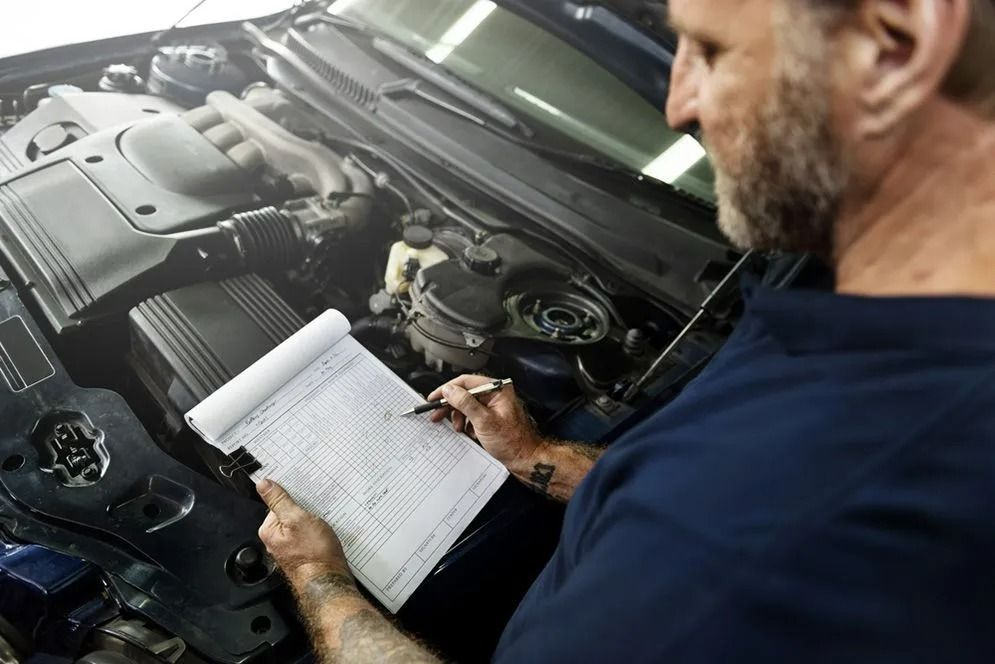
Clutch problems don't fix themselves. And DIY diagnosis rarely tells the full story. If you're experiencing any clutch symptoms, have a qualified mechanic inspect your vehicle. At Fischer Automotive, we offer comprehensive clutch inspections and professional
clutch kit installations for all vehicle types. We'll assess your clutch's condition, explain what's needed, and get you back on the road with smooth, reliable gear changes. Don't wait until you're stranded.
Call us to book your clutch inspection today.