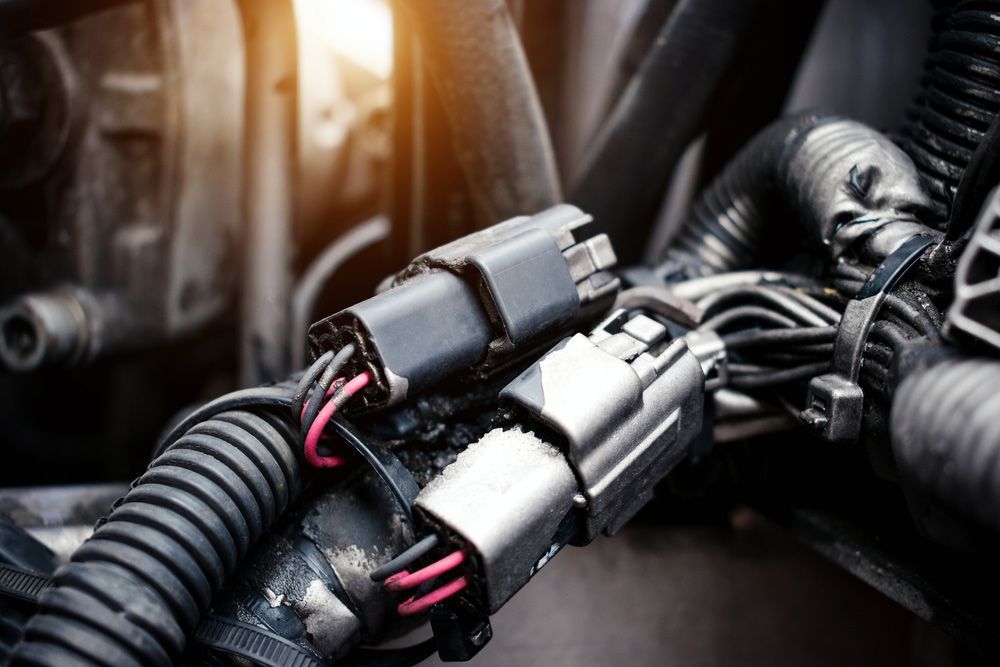
Finding a reliable mechanic in Bundaberg who understands your vehicle's needs is crucial for keeping your car running smoothly year after year. At Fischer Automotive, we've seen how proper car maintenance, which residents of Bundaberg can easily follow, makes all the difference between costly repairs and trouble-free driving. Your car is one of your biggest investments, and like any investment, it needs regular care to perform at its best. The good news is that most car maintenance tasks are straightforward when you know what to look for and when to act
Regular car maintenance isn't just about following your service schedule. It's about protecting your investment, ensuring your safety, and avoiding those expensive surprise repairs that always seem to happen at the worst possible time. When you skip maintenance, small problems grow into big ones. A simple oil change doesn't break the bank, but engine replacement can cost thousands. A worn belt replacement might cost a couple of hundred bucks, but if that belt snaps and damages other engine components, you're looking at major repair bills.
The Essential Car Maintenance Checklist
Every vehicle needs regular attention to key components. Understanding what needs checking and when helps you stay ahead of potential problems and budget for maintenance expenses.
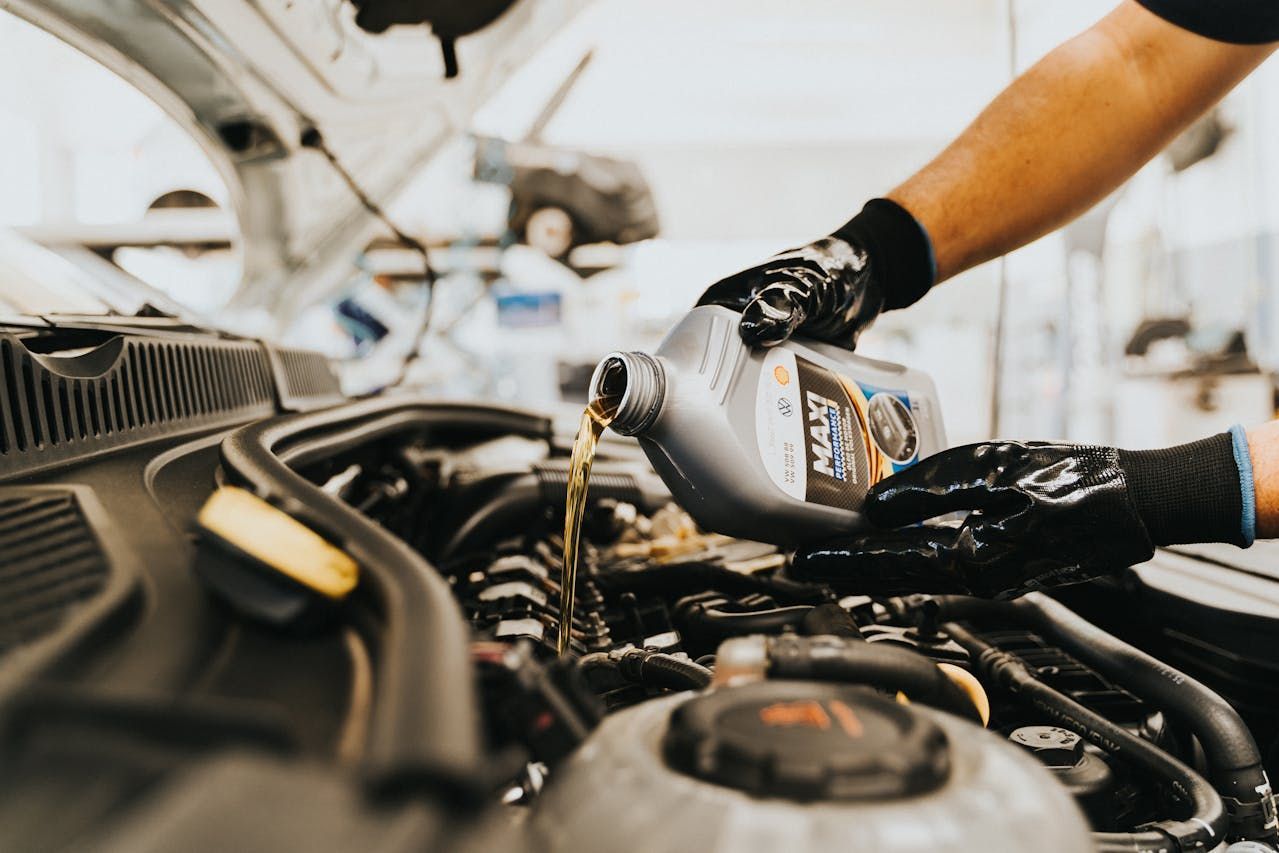
Engine oil is the lifeblood of your car. Most vehicles need oil changes every 5,000 to 10,000 kilometres, depending on your driving conditions and oil type. Stop-and-go traffic, dusty roads, and extreme temperatures can require more frequent changes.
Fluid levels deserve regular attention. This includes brake fluid, coolant, power steering fluid, and windshield washer fluid. Low fluid levels often indicate leaks that need immediate attention from a qualified mechanic.
Air filters keep dirt and debris from entering your engine. A clogged filter reduces performance and fuel economy. Most filters need replacement every 12,000 to 15,000 kilometres, but Bundaberg's dusty conditions might require more frequent changes.
Battery terminals should be clean and tight. Corroded terminals cause starting problems and can damage expensive electrical components. A simple visual check monthly can prevent roadside breakdowns.
Tire Care: Your Connection to the Road
Tires are your only connection to the road, making their maintenance critical for safety and performance. Proper tire care extends tire life, improves fuel economy, and ensures reliable stopping power. Check tire pressure monthly, including your spare tire. Under-inflated tires wear faster, reduce fuel economy, and can cause dangerous blowouts. Over-inflated tires also wear unevenly and provide poor traction. Tire rotation helps ensure even wear across all four tires. Most mechanics recommend rotation every 6,000 to 8,000 kilometres. This simple service extends tire life and maintains consistent traction. Visual inspections reveal problems before they become dangerous. Look for unusual wear patterns, cuts, bulges, or embedded objects. Any of these issues warrants immediate professional inspection. Wheel alignment affects tire wear and vehicle handling. If your car pulls to one side or steering feels off-centre, alignment problems might be developing. Address alignment issues quickly to prevent expensive tire replacement.
Brake System Maintenance: Your Safety Priority
Your brake system is a matter of life and death. Regular
brake maintenance ensures reliable stopping power and prevents accidents that could harm you, your passengers, and other road users. Brake fluid should be checked regularly and replaced according to the manufacturer's recommendations. Old brake fluid absorbs moisture, which can cause brake failure and expensive component damage. Brake pads wear gradually through normal use. Warning signs include squealing noises, grinding sounds, or longer stopping distances. Replacing pads promptly prevents damage to more expensive brake rotors. Brake rotors can become warped from excessive heat or worn from metal-on-metal contact with worn brake pads. Warped rotors cause vibration during braking and reduce stopping effectiveness. Regular brake inspections by a qualified Bundaberg mechanic catch problems early. Professional inspection includes checking pad thickness, rotor condition, fluid levels, and system operation.
Engine Performance and Cooling System Care
Your engine generates tremendous heat during operation. The cooling system removes this heat and maintains optimal operating temperature. Cooling system problems can destroy engines quickly and expensively. Coolant levels should be checked regularly when the engine is cold. Low coolant often indicates leaks that need immediate attention. Never remove the radiator cap from a hot engine, as pressurised coolant can cause severe burns.
Radiator condition affects cooling efficiency. Debris buildup reduces airflow and cooling capacity. Regular cleaning and inspection prevent overheating problems. Thermostat operation controls coolant flow and engine temperature. A stuck thermostat can cause overheating or prevent the engine from reaching proper operating temperature. Water pump failure is a serious problem that requires immediate attention. Signs include coolant leaks, unusual noises, or overheating. Water pump replacement is expensive, but much cheaper than engine replacement.
Seasonal Maintenance Considerations
Bundaberg's climate presents unique challenges for vehicle maintenance. Understanding how the weather affects your car helps you prepare for seasonal maintenance needs. Summer heat stresses cooling systems, air conditioning, and tires. High temperatures cause fluids to break down faster and put extra strain on engine components. Regular coolant checks and air conditioning servicing keep you comfortable and safe. Wet weather affects electrical systems, brakes, and visibility. Ensure wipers work properly, lights function correctly, and brakes provide reliable stopping power on wet roads. Dust and debris from dry conditions clog air filters and affect engine performance. More frequent filter changes might be necessary depending on your driving environment. Long drives to holiday destinations put extra stress on all vehicle systems. Pre-trip inspections prevent breakdowns far from home and ensure safe travel for your family.
DIY Maintenance vs Professional Service
Some maintenance tasks are perfect for DIY enthusiasts, while others require professional expertise and equipment. Understanding the difference helps you save money while ensuring safety. Simple checks like fluid levels, tire pressure, and visual inspections are easy DIY tasks. These regular checks help you spot problems early and maintain your vehicle between professional services. Oil changes can be DIY projects if you have proper equipment and disposal facilities. However, many drivers find professional service convenient and cost-effective when you consider equipment costs and disposal requirements. Complex systems like brakes, electrical systems, and engines work require professional expertise. Attempting these repairs without proper training and equipment can be dangerous and expensive. Professional diagnostic equipment identifies problems that aren't obvious during visual inspection. Modern vehicles have complex computer systems that require specialised tools for proper diagnosis and repair.
Finding the Right Bundaberg Mechanic
Choosing the right mechanic affects your vehicle's performance, your safety, and your wallet. The best mechanics combine technical expertise with honest, transparent service. Look for mechanics with proper qualifications and ongoing training. Automotive technology changes rapidly, and good mechanics stay current with new systems and repair techniques. Transparent pricing and clear communication build trust. Your mechanic should explain problems clearly, provide written estimates, and never perform unauthorised work. Quality parts and proper installation ensure reliable repairs. Cheap parts might save money initially, but often fail quickly and cause additional problems. Good mechanics focus on preventative maintenance, not just repairs. They help you maintain your vehicle properly to prevent expensive problems and extend its useful life.
The Cost of Maintenance vs The Cost of Neglect
Regular maintenance costs money, but neglecting maintenance costs much more. Understanding this relationship helps you budget appropriately and make informed decisions about vehicle care. Preventive maintenance spreads costs over time and allows you to budget for expected expenses. Emergency repairs happen at inconvenient times and often cost significantly more than preventative maintenance. Vehicle reliability affects your daily life. Unexpected breakdowns cause missed work, family disruptions, and additional expenses for alternative transportation. Resale value depends heavily on maintenance history. Well-maintained vehicles command higher prices and sell faster than neglected ones. Maintenance records demonstrate responsible ownership and vehicle care.
Your Partnership with Fischer Automotive
At Fischer Automotive, we understand that your vehicle is essential to your daily life. Our comprehensive car maintenance Bundaberg services keep your car running reliably while protecting your investment.
We use quality parts and follow manufacturer recommendations to ensure your vehicle performs at its best. Our transparent pricing means you know exactly what you're paying for and why.
Regular maintenance appointments help us catch problems early, before they become expensive repairs. We work with you to develop maintenance schedules that fit your driving habits and budget.
Our experienced technicians stay current with automotive technology and use modern diagnostic equipment to identify problems quickly and accurately.
Don't wait for problems to develop.
Contact Fischer Automotive today at 07 4154 1726 to schedule your next maintenance appointment and keep your vehicle running like new.