Your brakes feel soft. The steering pulls slightly left. That dashboard warning light appeared last week and hasn't gone away. Small issues like these don't fix themselves. They escalate. And what starts as a minor concern becomes a safety hazard waiting to happen at the worst possible moment. A vehicle safety check catches these problems before they put you and your passengers at risk. Here's what Fischer Automotive inspects during a comprehensive safety check in Bundaberg, and when you should book one.
What's Included in a Professional Safety Check
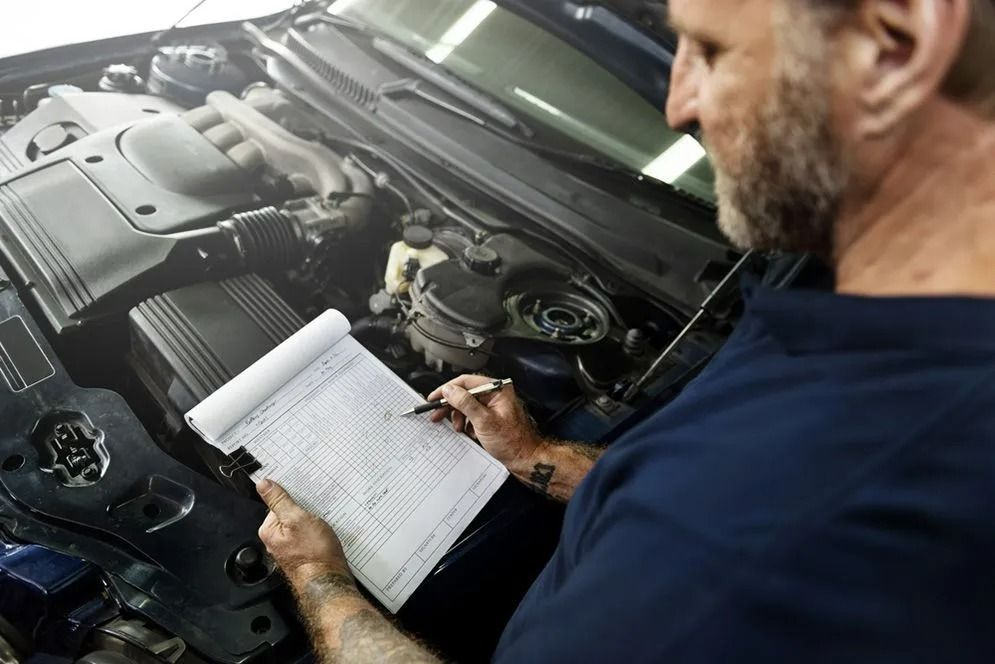
A proper safety check goes beyond a quick visual inspection. Your Bundaberg mechanic examines every critical system that keeps you safe on the road.
Brakes and stopping power:
- Brake pads and disc thickness
- Brake fluid condition and level
- Brake lines for leaks or damage
- Handbrake operation
Worn brakes are one of the most common safety failures we see. You might not notice gradual pad wear until it's dangerous.
Tyres and wheels:
- Tread depth across all tyres
- Uneven wear patterns indicating alignment issues
- Tyre pressure and valve condition
- Wheel bearing play
Bundaberg's mix of highway driving and rural roads accelerates tyre wear. Regular checks prevent blowouts and improve wet-weather handling.
Steering and suspension:
- Power steering fluid and operation
- Ball joints and tie rod ends
- Shock absorbers and springs
- Steering rack for leaks or play
These components directly affect your ability to control the vehicle. Worn suspension creates dangerous handling issues.
Lights and visibility:
- Headlights, indicators, brake lights, reverse lights
- Interior lights and dashboard illumination
- Windscreen wipers and washers
- Mirrors and windscreen condition
Being seen by other drivers prevents accidents. So does being able to see clearly yourself.
Safety restraints:
- Seatbelts for fraying, damage, or retraction issues
- Seatbelt mounting points
- Airbag warning lights
- Child restraint anchor points
Faulty seatbelts won't protect occupants during accidents. This isn't something to gamble with.
Underbody and structure:
- Rust on critical structural points
- Exhaust system for leaks or damage
- Fuel system for leaks
- Suspension mounting points
Bundaberg's coastal climate accelerates rust. What looks fine on the surface might hide serious structural issues underneath.
When You Need a Safety Certificate
Queensland law requires safety certificates for specific situations. But smart car owners get safety checks more often than legally required.
Legally required safety certificates:
- Selling your registered vehicle privately
- Transferring registration to a new owner
- Re-registering a vehicle after lapse (more than 3 months unregistered)
- Bringing an interstate vehicle to Queensland registration
The seller must provide the safety certificate. Buyers should never agree to get their own, as repair costs then become their responsibility.
When safety checks make sense even without legal requirements:
- Before long road trips from Bundaberg to Brisbane or further
- After purchasing a used vehicle (even with a current certificate)
- Annual checks for older vehicles
- When you notice any handling, braking, or performance changes
- After minor accidents or hitting large potholes
Safety certificates confirm minimum standards. They don't predict future problems or assess overall vehicle condition. A separate pre-purchase inspection provides more comprehensive assessment if you're buying.
Safety Certificates vs Safety Checks: The Difference
These terms often get used interchangeably, but there's an important distinction.
Safety certificates
(formerly roadworthy certificates) are official documents issued only by approved inspection stations. They're legally required for vehicle sales and registration transfers.
Safety checks are comprehensive vehicle inspections that assess safety-related components. Any qualified mechanic can perform them. They're not legally required but provide peace of mind. Fischer Automotive is an approved inspection station. We can issue official safety certificates when you need them for legal purposes. We also perform thorough safety checks for customers who just want to ensure their vehicle is safe.
Common Safety Check Failures in Bundaberg
Worn tyres top the failure list. Use the 20-cent coin test: insert into tread, if you see the echidna's head, replace them.
Brake issues come second. Grinding, soft pedals, or pulling indicate problems.
Rust on structural components is common in coastal Queensland. Rust affecting suspension mounts or seatbelt anchors will fail.
Non-functioning lights and
worn suspension are also frequent failures.
What Happens If Your Vehicle Fails
Not every vehicle passes safety checks first time. Don't stress if yours doesn't. Your Bundaberg mechanic provides a detailed report explaining exactly what needs attention. For official safety certificates, you have 14 days to complete repairs and arrange a free re-inspection of the failed items.
Common repairs needed:
- New tyres or brake pads
- Light bulb replacements
- Windscreen wiper replacement
- Minor rust repairs
- Suspension component replacement
Most failures involve straightforward, affordable repairs. Serious structural issues are less common but require immediate attention for your safety.
How Long Does a Safety Check Take?
A thorough vehicle safety check takes approximately 40 to 45 minutes. This allows proper inspection of all safety-critical components without rushing.
If your vehicle needs immediate repairs, timing depends on parts availability and repair complexity. Simple issues like light bulbs or wipers can often be fixed the same day. Safety certificates are valid for two months or 2,000 kilometres, whichever comes first. They're only valid for one vehicle sale. If the first sale falls through, you'll need a new certificate for the next buyer.
Preparing Your Vehicle for Safety Checks
Quick pre-check items:
- Test all lights
- Check tyre tread and pressure
- Top up washer fluid
- Test wipers
- Check for fluid leaks
- Give the car a basic clean
These simple checks catch easy fixes before your official inspection.
Why Choose Fischer Automotive for Safety Checks
Fischer Automotive provides professional safety checks and official safety certificates at our Svensson Heights workshop. Our experienced mechanics understand what Queensland Transport requires. We inspect thoroughly but fairly, never failing vehicles for minor issues that don't affect safety.
What you get from our service:
- Detailed inspection reports explaining any issues found
- Transparent repair quotes with no hidden costs
- Fast turnaround times for both inspections and repairs
- 14-day re-inspection guarantee for failed items once repaired
- Honest advice about whether repairs are urgent or can wait
We're committed to keeping Bundaberg drivers safe on the road. Whether you need an official safety certificate for a vehicle sale or just want peace of mind about your car's condition, we provide thorough, professional service.
Book Your Safety Check Today
Don't wait for that warning light to become an expensive breakdown. Don't hope those worn brakes will last just a bit longer. Safety checks identify problems while they're still manageable and affordable to fix. They prevent roadside emergencies and keep you safe.