Your car's engine is constantly working. Pistons firing thousands of times per minute. Metal components grinding against each other at incredible speeds. Heat is building up that could fry an egg.
And standing between all that friction and complete engine failure? Your oil and oil filter.
If you're a Bundaberg driver, you already know the Queensland heat doesn't do your engine any favours. But what you might not realise is how quickly dirty oil and a clogged filter can turn a reliable vehicle into an expensive repair job.
Let's talk about why regular oil and filter changes matter more than you think, and what happens when you skip them.
What Engine Oil Actually Does
Oil isn't just a slippery liquid sitting in your engine. It's working harder than almost any other component in your vehicle.
First, it lubricates. Every moving part in your engine needs a barrier between metal surfaces. Without oil, those parts would grind together, create massive friction, and seize up within minutes. Your engine would be scrap metal.
But lubrication is just the start. Oil also absorbs heat from the combustion process and carries it away from critical components. It cleans by picking up metal particles, carbon deposits, and combustion byproducts as it circulates. And it seals the tiny gaps between piston rings and cylinder walls, maintaining proper compression.
All of this happens simultaneously, thousands of times per minute, every time you drive.
The Oil Filter's Critical Job
Now here's where the filter comes in. As oil circulates through your engine, collecting debris, that contamination has to go somewhere.
Metal shavings from normal wear. Carbon particles from combustion. Dust and dirt that sneak past your air filter. Even bits of degraded gasket material.
Your oil filter traps all of it. Think of it like a kidney for your engine. It continuously cleans the oil, removing particles that range from visible metal fragments down to microscopic silica grains that are harder than hacksaw blades.
In Queensland's dusty conditions, this job becomes even more critical. Wind-blown dust around Bundaberg contains silica and alumina particles that are extremely abrasive. When these get into your engine, they cause accelerated wear on cylinder walls, bearings, and other precision surfaces.
A quality oil filter catches these contaminants before they can circulate and cause damage. But only for so long.
What Happens When You Skip Oil Changes
Here's the uncomfortable truth. Oil breaks down over time. Heat, pressure, and contamination gradually reduce its effectiveness.
Old oil gets thick and sludgy. It doesn't flow properly to all engine components. Parts start running hotter because the oil can't carry heat away efficiently. Lubrication suffers because thick, contaminated oil can't form proper protective barriers.
Meanwhile, your oil filter is getting packed full of debris. Eventually, it reaches capacity. When this happens, a bypass valve opens to let oil flow around the clogged filter. This protects your engine from oil starvation, but now unfiltered, contaminated oil is circulating freely.
Metal particles start acting like sandpaper on bearing surfaces. Carbon deposits build up on valves and piston rings. Cylinder walls develop scratches. Tolerances change. Compression drops. Fuel economy suffers. Power decreases. And the whole time, you might not notice anything wrong until it's too late.
The Real Cost of Neglect
A typical
oil and filter change costs somewhere between $80 to $150 for most vehicles. Let's say you're stretching your oil changes to save money. You're going 15,000 or 20,000 kilometres between services instead of the recommended 10,000. Seems like you're saving a few hundred dollars a year, right?
Except you're not saving anything. You're just deferring much bigger expenses. An engine rebuild costs thousands. Complete engine replacement can run anywhere from $5,000 to $15,000, depending on your vehicle. And that's not counting the inconvenience of being without your car while it's in the shop.
Even if you don't face catastrophic failure, neglected oil changes shorten your engine's lifespan. Instead of getting 300,000 kilometres from a well-maintained engine, you might get 150,000. That's potentially cutting the useful life of your vehicle in half.
How Often Should You Really Change Your Oil?
This depends on several factors. Your vehicle's make and model. How you drive. Where you drive. What type of oil you use.
Most modern vehicles with synthetic oil can go 10,000 to 15,000 kilometers between changes under normal conditions. Older vehicles or those using conventional oil might need changes every 7,500 to 10,000 kilometers.
But here's the thing. "Normal conditions" is doing most of your driving on highways at steady speeds in moderate temperatures. How many Bundaberg drivers actually fit that description?
If you do a lot of short trips around town, your engine never fully warms up. This means more condensation in the oil and faster degradation. Driving in dusty conditions loads your filter faster. Towing or carrying heavy loads increases engine stress and oil temperature. Even extended idling counts as severe use.
For most people, the severe service schedule is actually more appropriate than the normal schedule. That often means more frequent oil changes than the longest intervals listed in your owner's manual.
The Filter Matters as Much as the Oil
Some people change their oil but reuse the old filter. This is penny-wise and pound-foolish.
Your oil filter has been accumulating contaminants since it was installed. When you drain your old oil, all that trapped debris stays in the filter. Pour fresh oil into your engine and it immediately has to pass through that dirty filter.
The fresh oil gets contaminated within minutes of starting your engine. You've basically wasted your money on new oil because you're running it through a filter that's already at capacity.
Quality filters matter too. Budget filters might save you $10, but they often use inferior filter media that don't catch particles as effectively. Some have a weaker construction that can fail under pressure or temperature extremes. Others have bypass valves that open prematurely, sending unfiltered oil into your engine even when the filter isn't fully clogged.
Spending a bit more on a premium filter from brands like Ryco means better filtration efficiency, more contaminant capacity, and reliable performance across your oil change interval.
What Happens During a Professional Oil Change
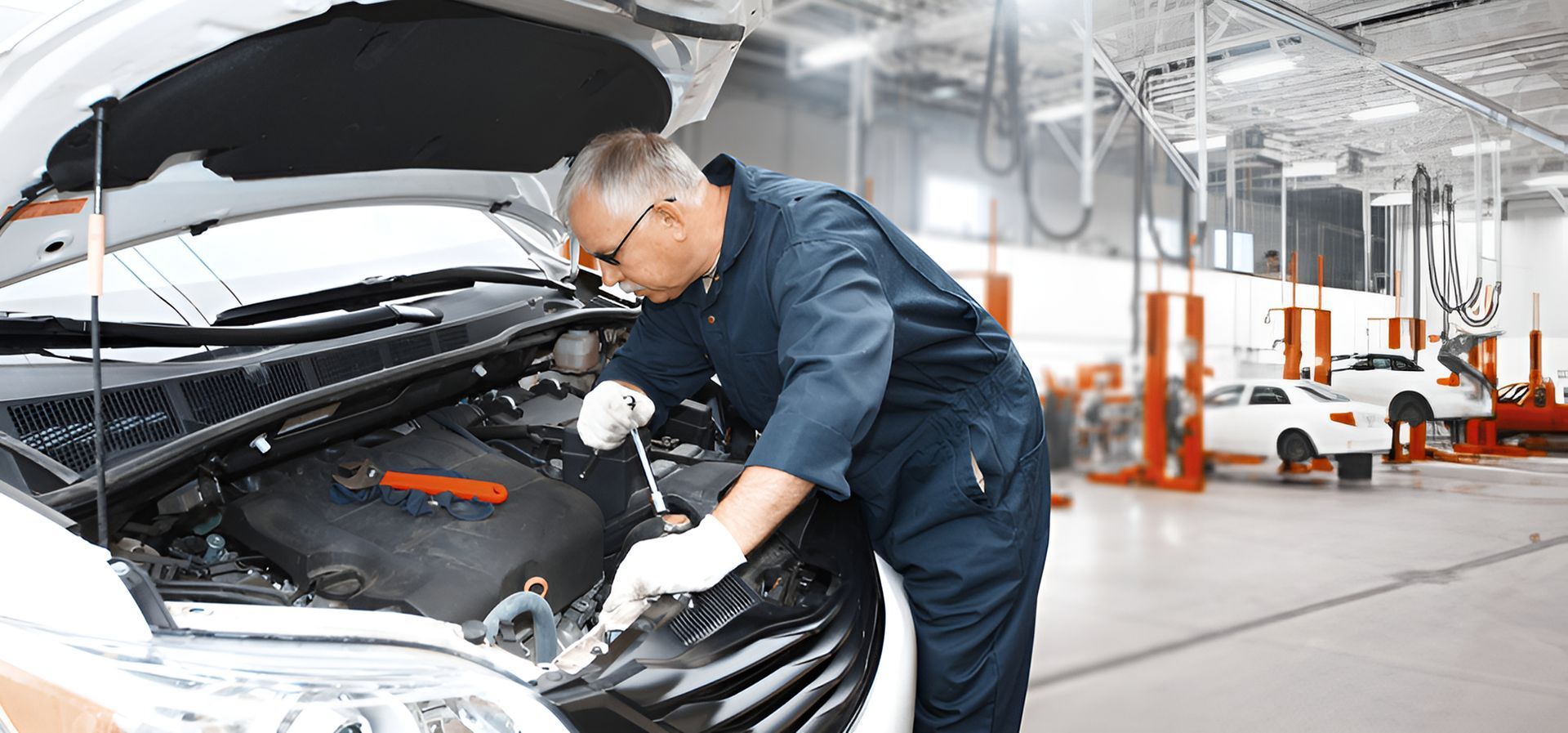
When you bring your vehicle to a proper mechanic, the oil and filter change involves more than just draining and refilling.
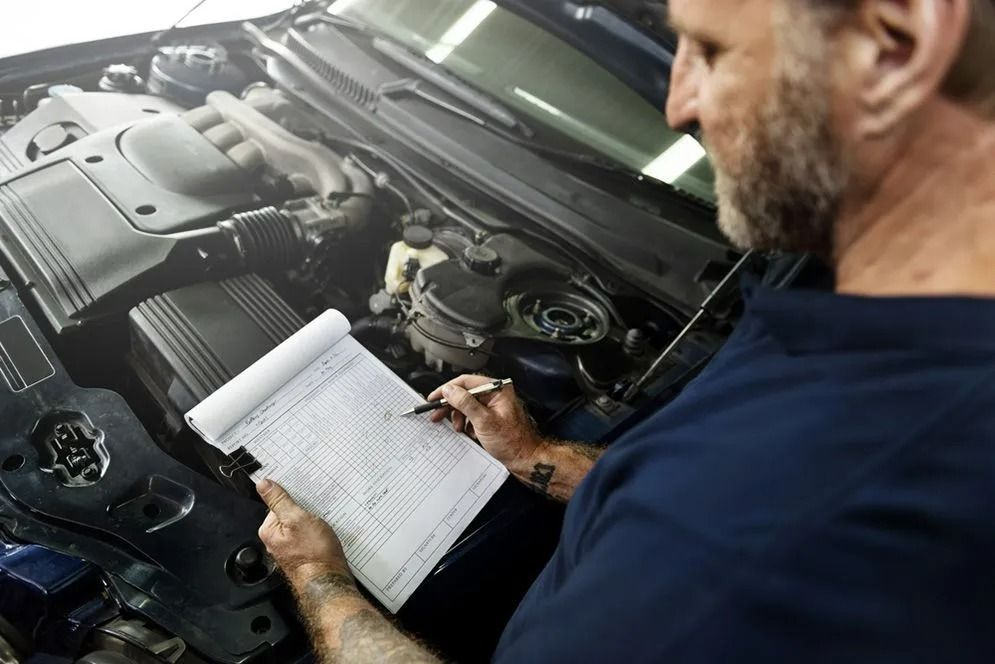
A thorough service includes inspecting your current oil condition. Dark, thick oil or oil with a milky appearance can indicate problems that need attention. Checking for metal particles in the drained oil can reveal internal engine wear.
The mechanic will remove the old filter and inspect the sealing surface to ensure no old gasket material is stuck there. A new filter gets installed with a light coating of fresh oil on the gasket to ensure a proper seal.
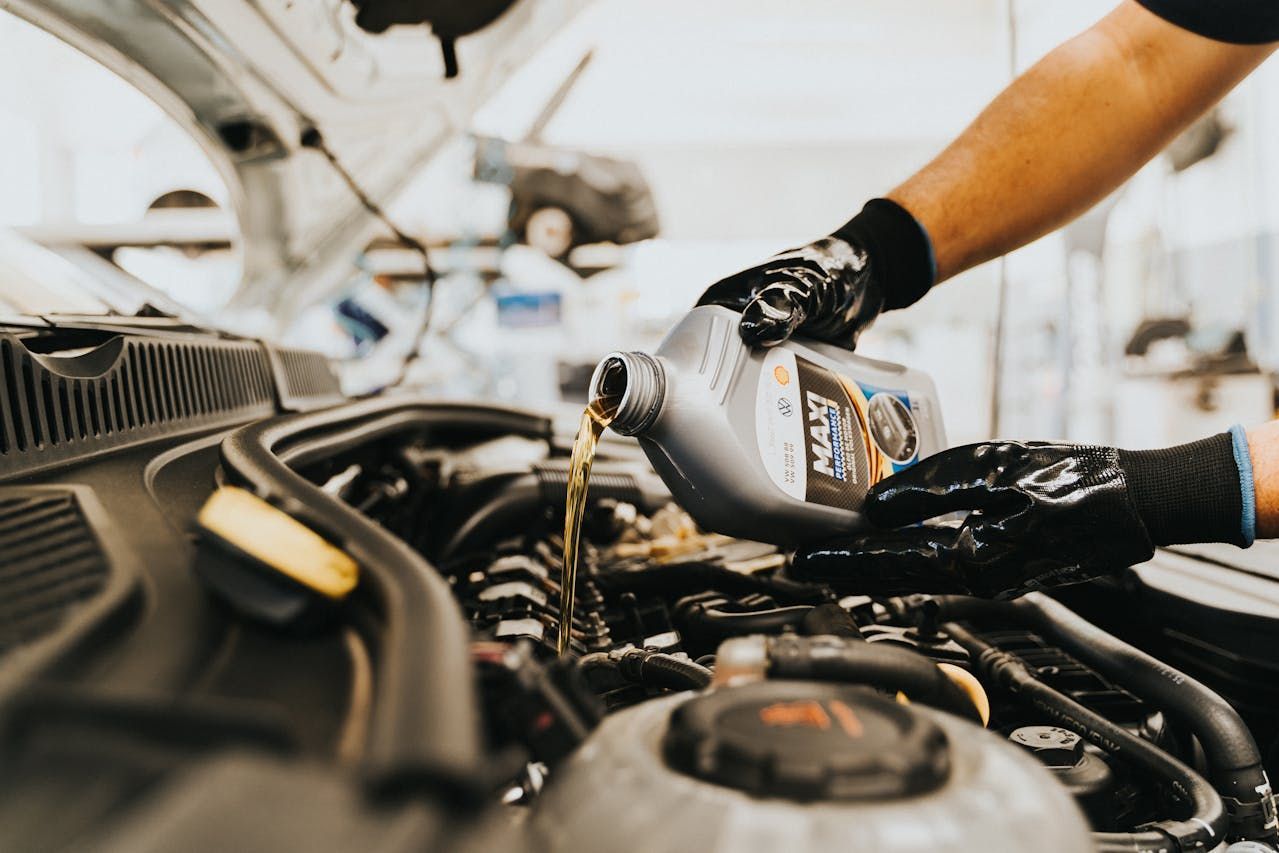
Then comes the refill. Using the correct grade and quantity of oil specified by your manufacturer. Not just any oil, but the right viscosity for your engine design and operating conditions.
Finally, a proper check for leaks and confirmation that oil pressure is correct. This whole process protects your investment and catches potential problems before they become expensive failures.
Why This Matters for Bundaberg Drivers
Queensland's climate adds extra stress to your engine. Hot temperatures increase oil breakdown. Coastal humidity around Bundaberg can introduce moisture into your engine. Dusty conditions during dry periods load your air filter and inevitably, some particles still make it through to your oil.
If you're driving to Bargara for beach trips, sitting in traffic, or using your vehicle for work around Bundaberg's rural areas, your engine works harder than someone doing highway kilometres in ideal conditions.
This means your oil and filter are dealing with more contamination and more heat stress. Sticking to recommended service intervals, or even shortening them slightly, protects your engine from accelerated wear.
The Bottom Line
Regular oil and filter changes are the single most important maintenance task for extending your engine's life. They're not optional.
They're not something to put off until next month. They're essential preventive maintenance that costs a fraction of what you'll pay if neglect catches up with you.
At Fischer Automotive in Bundaberg, we understand how critical proper oil service is to your vehicle's longevity. Our experienced mechanics use quality oils and premium filters, and we complete thorough inspections during every service to catch potential issues early.
Whether you're driving a family sedan, a work ute, or a 4WD, regular oil and filter changes keep your engine running strong and reliable.
Don't wait until warning lights appear or strange noises start. By then, damage has already begun.
Book your oil and filter change today. Your engine will thank you with thousands of extra kilometres of reliable service.