Why Is My Car Making That Noise? A Bundaberg Mechanic Explains Common Car Sounds
A car making noise on the way to work or along the highway out of town can leave you wondering how serious it is. Some sounds are minor and safe to keep an eye on. Others need attention straight away, and knowing the difference can save you a costly repair or a breakdown on the side of the road. Here's what each common noise usually means and when it's worth booking in with a mechanic in Bundaberg.
Car Making Noise? What It's Trying to Tell You
A car making noise is rarely random. Most sounds point to a specific, identifiable cause, and knowing what to listen for can save you time, money and unnecessary stress. Here's a quick breakdown of four common noises:
- Squealing or squeaking when braking: Usually worn brake pads reaching their wear indicator.
- Grinding when driving or braking: Often metal-on-metal contact, which needs urgent attention.
- Knocking from the engine: Can range from a loose heat shield to a more serious internal issue.
- Humming, roaring or whining while driving: Frequently traces back to a wheel bearing or drivetrain component.
Why Is My Car Squealing or Squeaking When I Brake?
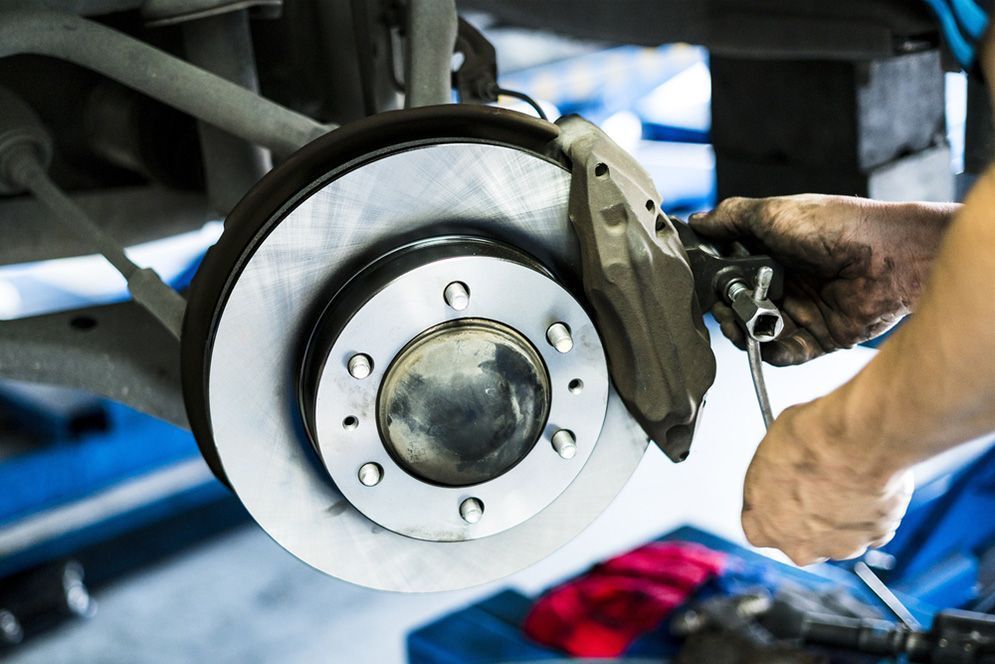
Car squealing when braking is one of the most common noise complaints workshops around Bundaberg hear, and in most cases it comes down to brake pad wear indicators doing exactly what they are designed to do. These small metal tabs are built into the pad and make contact with the rotor once the friction material wears down, producing a high-pitched squeal as an early warning.
In Bundaberg's humid coastal climate, brake components are also prone to light surface rust forming overnight or after rain, which can cause a brief squeak during the first few stops of the day before it wears off. That kind of noise is generally harmless. A persistent squeal that does not fade, however, means the pads need inspecting sooner rather than later.
A few things to check or consider:
- Timing of the noise: A squeal only on the first few stops of the day often points to light surface rust, not wear.
- Consistency: A squeal that happens on every single stop suggests the pad wear indicator has engaged.
- Accompanying grind: A grinding sensation alongside the squeal means the pads have likely worn through and metal is contacting metal.
Left unaddressed, worn pads will eventually damage the rotors, turning what could have been a simple pad replacement into a much larger repair bill. Knowing roughly how long brake pads last in Queensland conditions can help you plan ahead rather than wait for a warning sign.
What Does a Grinding or Knocking Noise Mean?
A grinding noise when driving, especially when turning or braking, is one of the sounds that should not be ignored, since it usually means a component has worn past its normal service life. A knocking engine noise is a different issue altogether and can range from minor to serious depending on when it occurs. Common causes include:
- Worn brake pads: Metal backing plates contacting the rotor once the friction material is gone, producing a persistent grinding sound.
- Worn wheel bearings: A grinding or growling noise that changes pitch with speed and worsens when cornering.
- A loose heat shield: A knock or rattle heard mostly at idle, generally a minor and inexpensive fix.
- Engine knock from pre-ignition: A metallic pinging under load or acceleration, which should be checked promptly to avoid internal engine damage.
Stop-start driving around town and towing loads out through the Wide Bay region both place extra strain on these components, which is why grinding and knocking noises tend to show up more often on vehicles doing a mix of town and rural work. Many of these noises are avoidable if you stay on top of how to maintain your engine for longevity, since skipped servicing is often what allows minor wear to turn into something audible.
Tempted to have a look yourself before booking anything in? It's worth weighing up DIY vs professional repairs first, since a loose heat shield is often easy to spot, but pinpointing an engine knock needs proper diagnostic equipment.
Why Does My Car Hum, Roar or Whine While Driving?
A humming, roaring or whining noise while driving usually points to one of a few components:
- Wheel bearing: A humming or roaring noise that increases with speed, often more noticeable on the highway, and may shift in tone when you gently weave the car left and right.
- Power steering system: A whine that's more noticeable when turning, often linked to fluid level or pump wear.
- CV joint: A clicking or whining noise, especially when turning at speed.
- Drive belt tension: A squeal or whine on startup or during acceleration, more common in Bundaberg's humid, salty coastal air where belts and tensioners wear faster than in drier inland climates.
Gravel roads and cane-farm tracks common around the region also introduce extra dust and grit, which can accelerate wear on CV joints and
steering components. Vehicles doing regular rural or coastal driving are more likely to develop these noises earlier than a purely town-driven car.
Which Car Noises Mean I Should Stop Driving Immediately?
Most of the noises above are safe to monitor for a short period, provided they are not worsening. A few signs mean you should stop and arrange a tow rather than continue driving:
- Loud metallic grinding under braking: This suggests the pads have worn through completely and the brakes may not be operating safely.
- A sudden, sharp knocking that appears out of nowhere: This can indicate serious internal engine damage in progress.
- A grinding or clunking noise from the steering when turning at low speed: This may point to a failing CV joint or steering component that could fail without warning.
- Any noise accompanied by a warning light, burning smell or loss of braking or steering response: These combinations point to a safety issue that needs immediate attention.
If you are ever unsure when to see a mechanic, the cautious option is always to stop and have it assessed.
Getting the Noise Checked by a Bundaberg Mechanic
Diagnosing a noise accurately comes down to isolating exactly when it happens, whether under braking, on acceleration, at a particular speed or only when turning, and matching that pattern against the most likely causes. A proper inspection on the hoist, with the right diagnostic equipment, gives a far more reliable answer than guesswork.
If your car has started making a noise you cannot explain, it is worth having it looked at before a small issue becomes an expensive one. Most car noise in Bundaberg comes down to one of a handful of common causes, which is why an experienced mechanic can often narrow things down quickly.
At Fischer Automotive, we've helped Bundaberg drivers work out exactly what their car is trying to tell them, from the everyday squeal of a brake pad to the early warning signs of a worn wheel bearing. Car making noise and not sure what it means? Book a diagnostic check with our team and get a clear answer on what is going on and what it will take to fix it.
Frequently Asked Questions
Why does my car squeal when I brake but stop after a few seconds?
This is usually surface rust on the rotor from overnight moisture, which is common in Bundaberg's humid climate. It typically clears after the first few stops of the day and is not a cause for concern on its own.
What's the difference between a squeal and a grinding noise?
A squeal is usually a warning sign, most often a worn brake pad indicator or a belt under tension. A grinding noise means that warning has been missed and metal is now contacting metal, which is a more urgent situation.
Does Bundaberg's climate affect car noises?
Yes. Coastal humidity accelerates wear on brake components, drive belts and their tensioners compared to drier climates, which is why belt squeals and brake noises can appear earlier here than in inland areas.
When should I see a mechanic about a car noise?
If a noise is new, getting louder, changing pitch or accompanied by a warning light, reduced braking or steering response, it is time to have it checked rather than wait.
Recent Posts