Brake pads don't have a fixed replacement date. Some last considerably longer than others, even when fitted to the same make and model of vehicle. Driving habits, vehicle weight and road conditions all affect how quickly the friction material wears down.
If you're wondering, "how long do brake pads last?", the answer depends on how and where you drive. Frequent braking around town generally wears pads faster than steady highway driving, while towing can place additional demands on your braking system.
For drivers around Bundaberg and regional Queensland, understanding these differences can help you recognise normal wear, identify problems early and decide when your brakes should be inspected.
The Short Answer: How Long Brake Pads Usually Last (& Why It Varies)
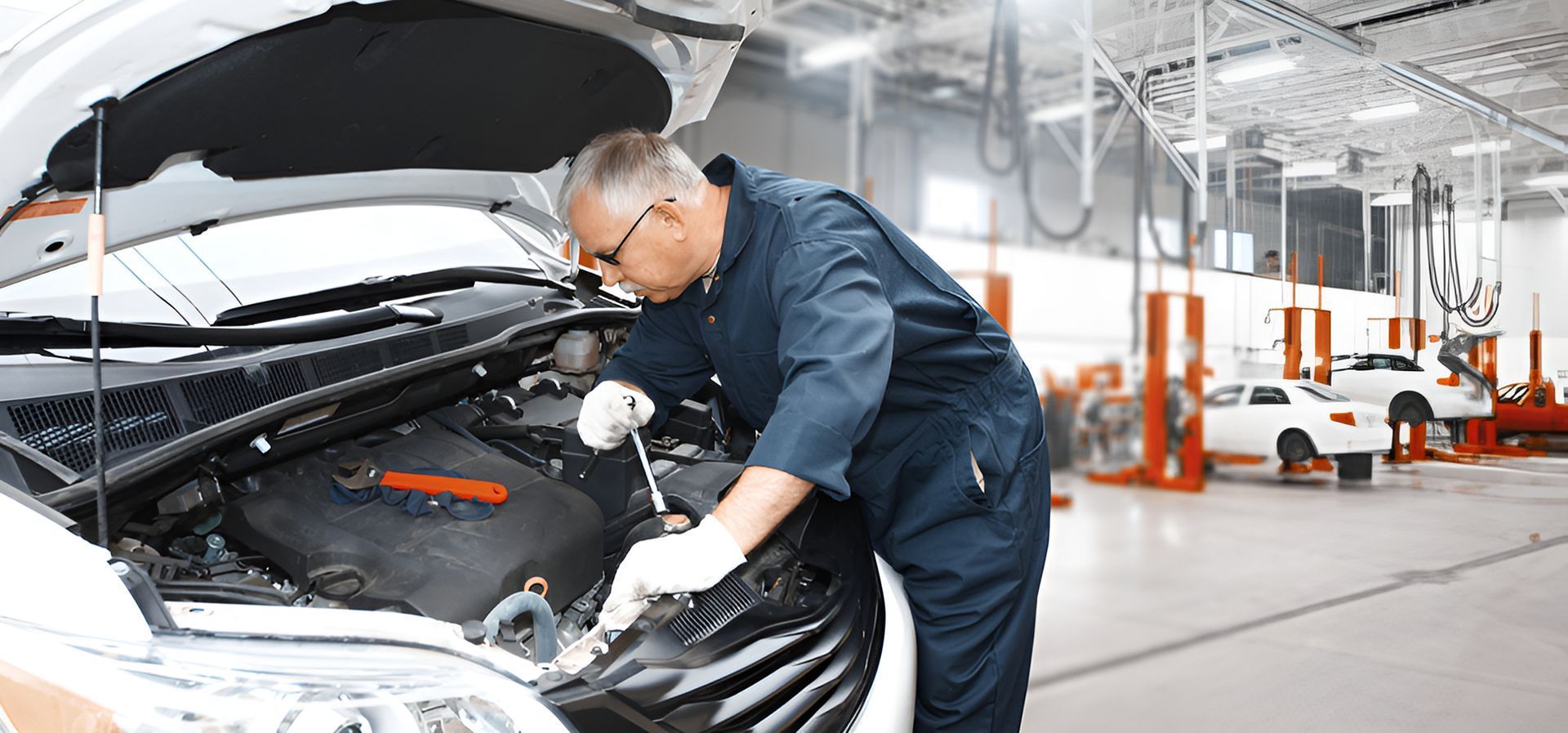
Brake pads can last for tens of thousands of kilometres, but there's no single replacement interval that suits every vehicle. Their lifespan depends on pad composition, driving conditions, vehicle weight and braking habits. Front pads often wear faster because the front brakes handle a greater share of braking force. However, rear pad wear can also vary depending on the vehicle's braking system. Rather than relying on kilometres alone, a mechanic can measure the remaining friction material and assess whether replacement is necessary.
Brake pad lifespan depends on:
- How frequently and heavily you apply the brakes.
- The vehicle's weight, braking system and pad material.
- Whether the brakes operate freely or have mechanical problems.
The most useful guide is the condition of the pads themselves, supported by the manufacturer's wear limits and inspection recommendations.
What Makes Brake Pads Wear Out Faster in Queensland?
Driving conditions around Bundaberg can produce different levels of brake wear. Stop-start town driving involves repeated braking at intersections, roundabouts and traffic lights, gradually reducing the pad's friction material. By comparison, longer highway journeys generally involve fewer braking events and may be easier on pads. Vehicle loading and driving style also matter. A heavily loaded ute that regularly slows from higher speeds may wear its brakes differently from a lightly loaded passenger car used for commuting.
Common causes of faster wear include:
- Frequent stopping and accelerating in built-up areas.
- Carrying heavy loads that increase braking demands.
- Harsh braking or mechanical issues that prevent pads from releasing properly.
If wear seems unusually rapid, an inspection can help identify whether driving conditions or a braking component is contributing to the problem.
How Do I Know My Brake Pads Need Replacing?
A squealing sound can indicate worn pads, particularly when a built-in wear indicator contacts the brake disc. However, not every squeal means replacement is necessary. Moisture and light surface rust after rain or overnight parking can cause temporary noise that disappears after normal braking. Persistent grinding, reduced braking performance or changes in pedal feel deserve more urgent attention. Understanding
what that noise probably means starts with identifying when it occurs and whether other symptoms are present.
Pay attention to these warning signs:
- Persistent squealing or scraping when applying the brakes.
- Grinding noises, vibration or a noticeable change in braking performance.
- A brake warning light or pedal that feels unusually soft or different.
Book an inspection promptly if grinding, reduced braking or unusual pedal behaviour develops. If braking feels unsafe, stop driving and arrange assistance rather than continuing the journey.
Do I Need New Rotors When I Replace My Brake Pads?
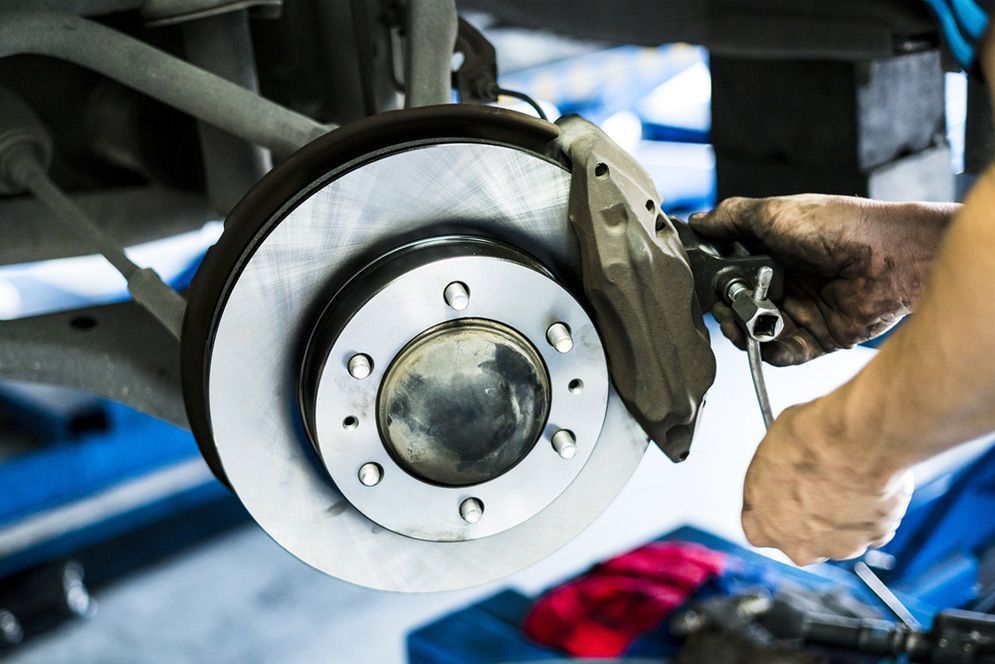
Brake pads and rotors work together, but they don't always need replacing at the same time. Pads press against the rotor's surface to slow the vehicle, gradually wearing both components. A rotor may remain suitable for use with new pads if its thickness, surface condition and overall wear meet the manufacturer's requirements. However, heavily scored, cracked or excessively worn rotors may need replacement. During
brake repairs in Bundaberg, assessing both components helps determine what work is actually required.
A rotor inspection covers:
- Whether disc thickness remains above the manufacturer's minimum specification.
- Whether scoring, cracking or uneven wear affects the braking surface.
- Whether corrosion or other damage makes continued use unsuitable.
Replacing pads without addressing damaged rotors can affect braking performance, but replacing serviceable rotors unnecessarily may add avoidable expense.
Does Towing or Coastal Driving Wear Brakes Faster?
Towing boats, caravans and trailers can increase braking demands, particularly when travelling downhill or stopping a heavily loaded vehicle. Around coastal areas such as Bargara and Burnett Heads, salt-laden air and moisture can also contribute to rotor surface corrosion and problems with caliper slide pins. Sticking components may prevent brake pads from releasing correctly, accelerating uneven wear. Queensland's humidity is another consideration because brake fluid absorbs moisture over time, affecting its condition independently of pad thickness.
Drivers who tow or travel near the coast should consider:
- Additional braking demands when carrying or towing heavy loads.
- Corrosion affecting rotors, calipers, slide pins and other exposed components.
- Brake fluid condition, particularly when the vehicle operates in humid conditions.
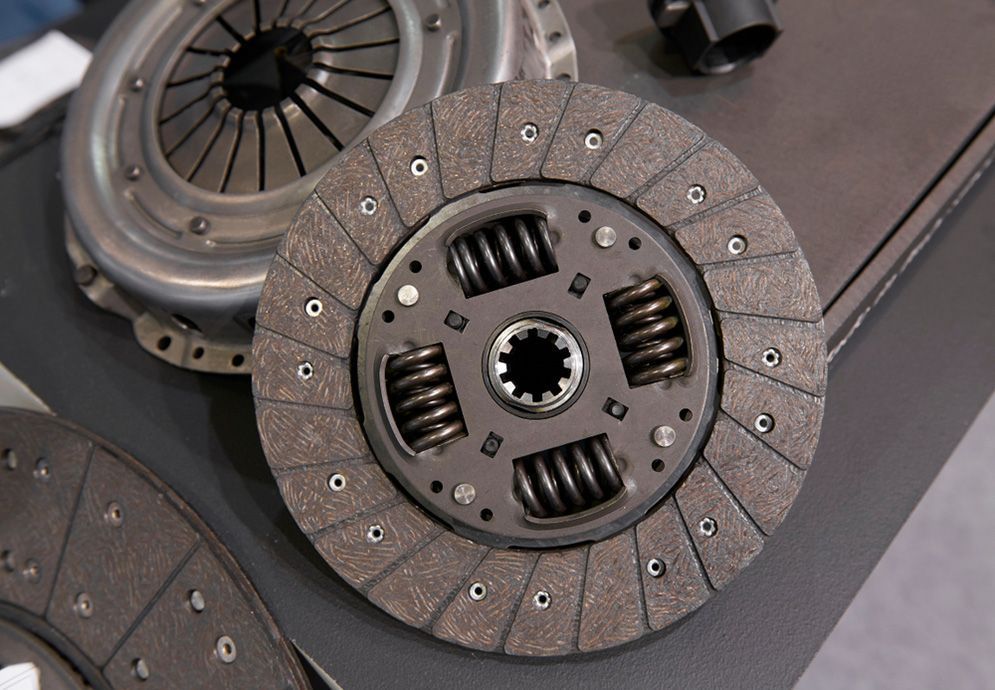
Brake, clutch and battery care all contribute to general vehicle upkeep, but pad wear should be assessed separately from unrelated maintenance needs.
How Often Should Brakes Be Inspected?
Brake inspections should follow the vehicle manufacturer's servicing recommendations, with additional checks when symptoms or demanding driving conditions justify them. A scheduled service provides an opportunity to measure pad thickness and assess rotor condition before replacement becomes urgent. A
roadworthy and safety check may also involve examining braking components, although the scope depends on the inspection requirements. For vehicles used regularly for towing, heavy loads or frequent town driving, discussing inspection frequency with a mechanic is worthwhile.
During a brake inspection, mechanics may check:
- Remaining brake pad thickness and disc wear.
- Brake fluid level and condition, along with hoses and calipers.
- Handbrake operation and signs of uneven braking component wear.
If your brakes feel normal and no warning signs are present, the next scheduled service may be an appropriate time for a check, provided it falls within the manufacturer's recommendations.
Get Clarity on Your Brake Pad Condition
At Fischer Automotive, we help drivers across Bundaberg understand the condition of their brakes and whether repairs or replacement parts are necessary.
We service all makes and models and can inspect brake pads, rotors, drums, calipers, hoses and brake fluid. Where required, we also carry out brake bleeding and fluid replacement, using replacement brake components from reputable brands.
If you're asking, "how long do brake pads last?" because you've noticed a noise or have a service approaching, contact our team to arrange an inspection. We'll discuss what we find and provide a quote before any repair work is authorised.
Frequently Asked Questions
Can Front and Rear Brake Pads Wear at Different Rates?
Yes. Front and rear brakes handle different loads during braking, and the rate of wear depends on the vehicle's design and operating conditions. One set may need replacing before the other, so both should be inspected rather than automatically replaced together.
Can Brake Pads Wear Unevenly on the Same Wheel?
Yes. Uneven wear can occur when caliper slide pins stick, components bind or the pads don't move correctly. This may cause one pad to wear faster than its matching pad. An inspection can help identify the underlying cause.
Do Ceramic Brake Pads Last Longer?
Pad lifespan depends on the formulation, vehicle and driving conditions. Ceramic pads may offer different noise, dust and wear characteristics from other materials, but they're not automatically the longest-lasting choice for every vehicle. The replacement material should suit the manufacturer's specifications.
Can Brake Fluid Affect Braking Even When the Pads Are Fine?
Yes. Brake fluid absorbs moisture over time, which can lower its boiling point and affect braking performance under demanding conditions. Fluid condition should be checked according to the vehicle's servicing requirements, independently of pad wear.