How Long Should A Car Engine Last? A Bundaberg Mechanic On What Really Shortens Engine Life

Fischer Automotive • September 16, 2026

Share this article

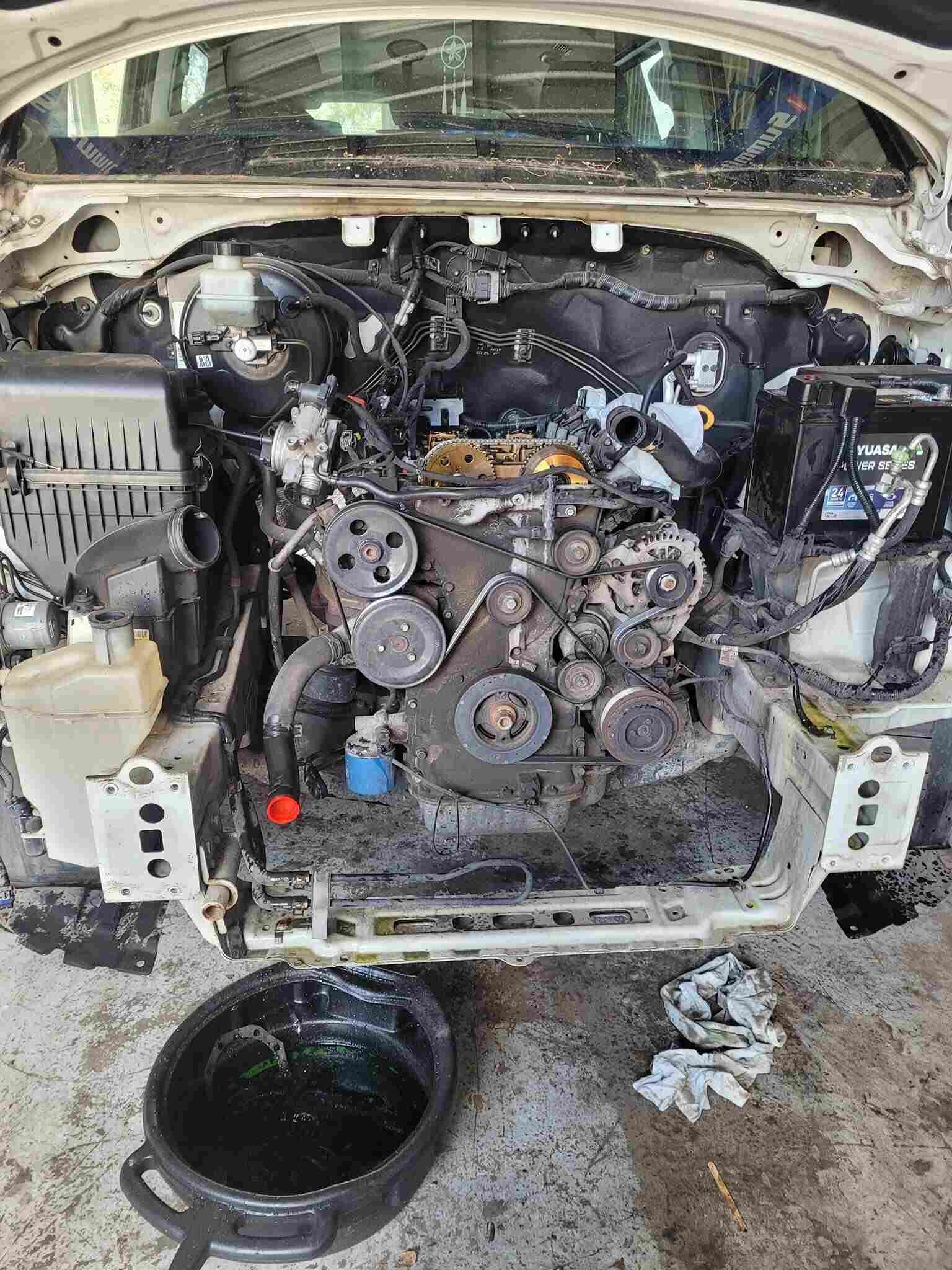
How long does a car engine last? For most well-maintained petrol engines, somewhere between 250,000 and 300,000 km is realistic, with some going further and others falling well short. The number that actually matters isn't the odometer reading – it's how the engine has been treated. Knowing how to make your car engine last longer usually matters more than worrying about the number itself.


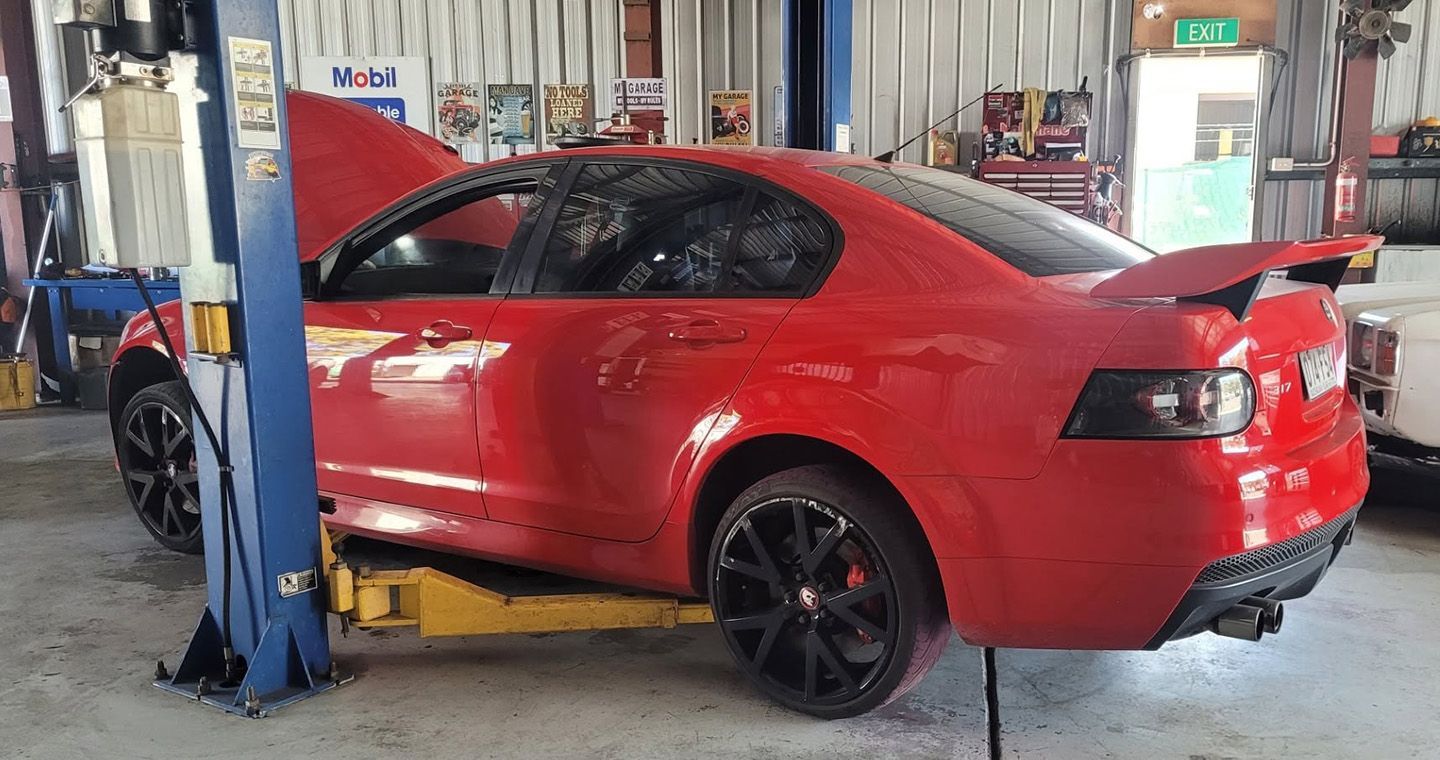
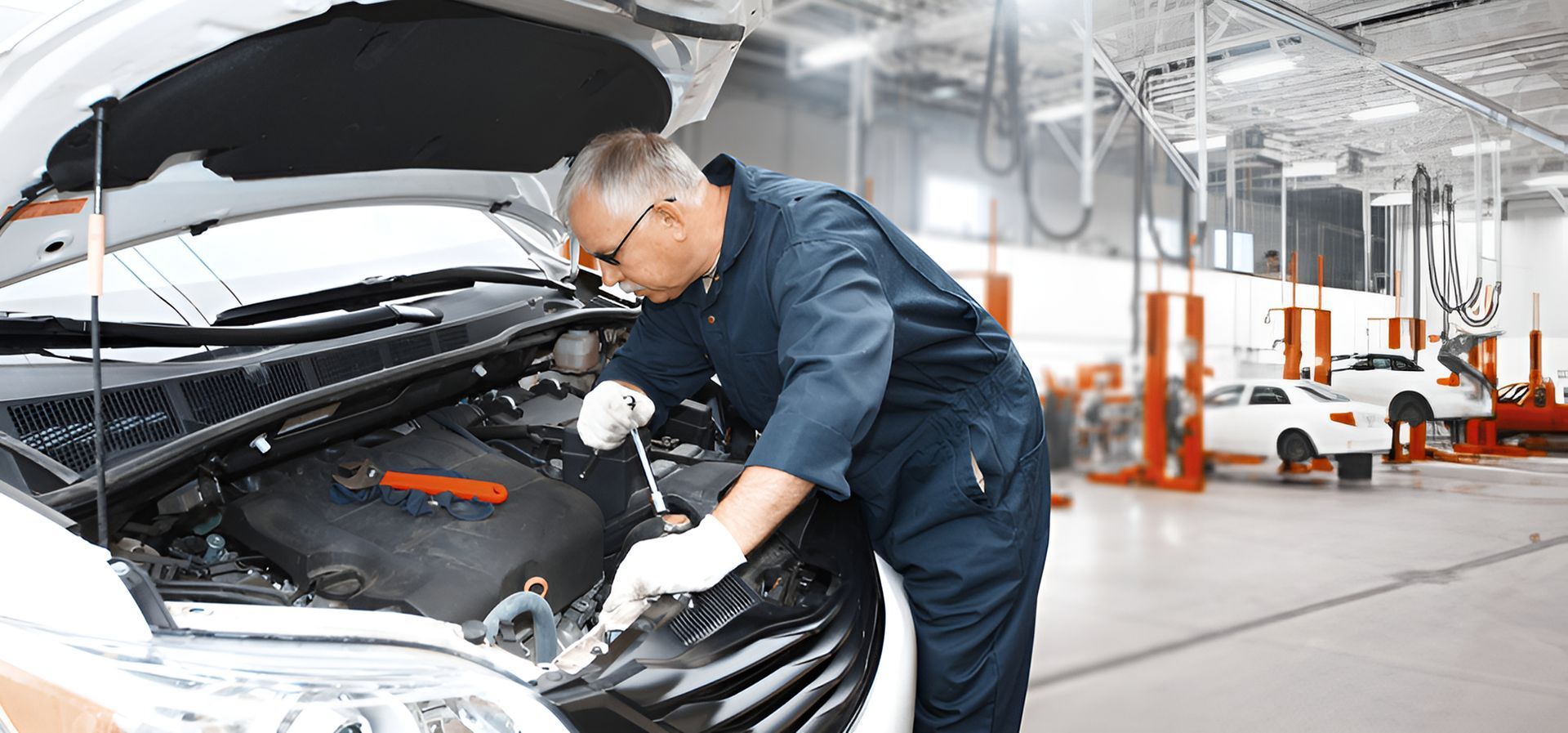
We see the full range of outcomes come through our workshop at Fischer Automotive here in Bundaberg. Two cars with identical odometers can be in completely different states of health, and the difference almost always comes down to what happened under the bonnet, not just how many kilometres were clocked up.

The Short Answer: How Many Kilometres a Well-Kept Engine Should Give

As a rough guide, a well-maintained modern engine should give somewhere in the range of 250,000 to 300,000 km before major work becomes likely. Some diesel utes and 4WDs, particularly those serviced strictly to schedule, go well beyond that. Others show serious wear at half that distance.


The gap between those two outcomes isn't luck. It comes down to oil condition, cooling system health, how the vehicle is driven day to day and whether small issues get picked up early or ignored until they compound. Kilometres are just a proxy for wear, and wear accumulates faster under some conditions than others.


That's why two utes with the same number on the clock can be worlds apart when we get them up on the hoist. One might still have healthy compression and a clean bore. The other might already be burning oil and running hotter than it should.

Is 200,000 km Too Many for a Car?

Not necessarily. A car sitting at 200,000 km with a genuine, unbroken service history is often still a sound buy or a car worth holding onto. What matters more than the number itself is whether oil changes were kept to manufacturer specification, whether the cooling system has been maintained and whether warning signs were addressed promptly rather than ignored.


What should give you pause isn't the odometer – it's inconsistency. Gaps in the service history, multiple owners with unclear maintenance records or evidence of past overheating are far bigger red flags than a high kilometre count alone. An engine with 200,000 km of consistent, correct care is usually in better shape than one with a much lower odometer reading but a history of neglect.


If you're trying to work out whether a high kilometre car is worth buying, a pre-purchase inspection and a diagnostic scan tell you far more than the number on the dash. It's a small outlay against the cost of buying someone else's problem.

What Actually Shortens Engine Life in Bundaberg Conditions?

Manufacturer service intervals are written for average conditions, and Bundaberg driving rarely qualifies as average. A few local factors quietly take years off an engine's working life without ever showing up as one dramatic event.


Heat soak is the big one. Queensland summers push coolant, oil and engine bay temperatures higher for longer, and towing a boat or van compounds that load significantly. Short stop-start trips around town are just as damaging in their own way. The engine never reaches full operating temperature, so condensation and unburnt fuel contaminate the oil faster than the service book assumes.


Dust is the other local factor that catches owners out. Cane-farm roads and coastal gravel push far more particulate through the air intake than a suburban commute ever would, loading the air filter faster and eventually letting abrasive dust reach the cylinders. None of this causes instant failure – it just means the 'normal' interval on your dashboard sticker is often too generous for how the car is actually used.

Why Cooling System Condition Matters More Than Owners Think

Engine overheating in Queensland is rarely sudden. Most owners check their coolant by looking at the level in the overflow bottle, which tells you almost nothing about whether the coolant is still doing its job.


Coolant doesn't just prevent boiling – it carries corrosion inhibitors that protect the radiator, water pump, thermostat and internal engine passages from rust and electrolysis. Those inhibitors deplete over time even while the coolant still looks topped up and green. Chemically spent coolant can sit in the system for months, quietly allowing internal corrosion, before the temperature gauge ever shows a sign of trouble.


By the time the needle creeps up, you're usually looking at a hose, radiator or water pump that's already been compromised for a while. A scheduled coolant flush replaces those depleted inhibitors before that happens. Sticking to the right coolant flush interval is one of the cheapest things you can do for long-term engine health. If the temp gauge sits higher than it used to, it's worth having a mechanic in Bundaberg check the cooling system before heat does permanent engine damage.


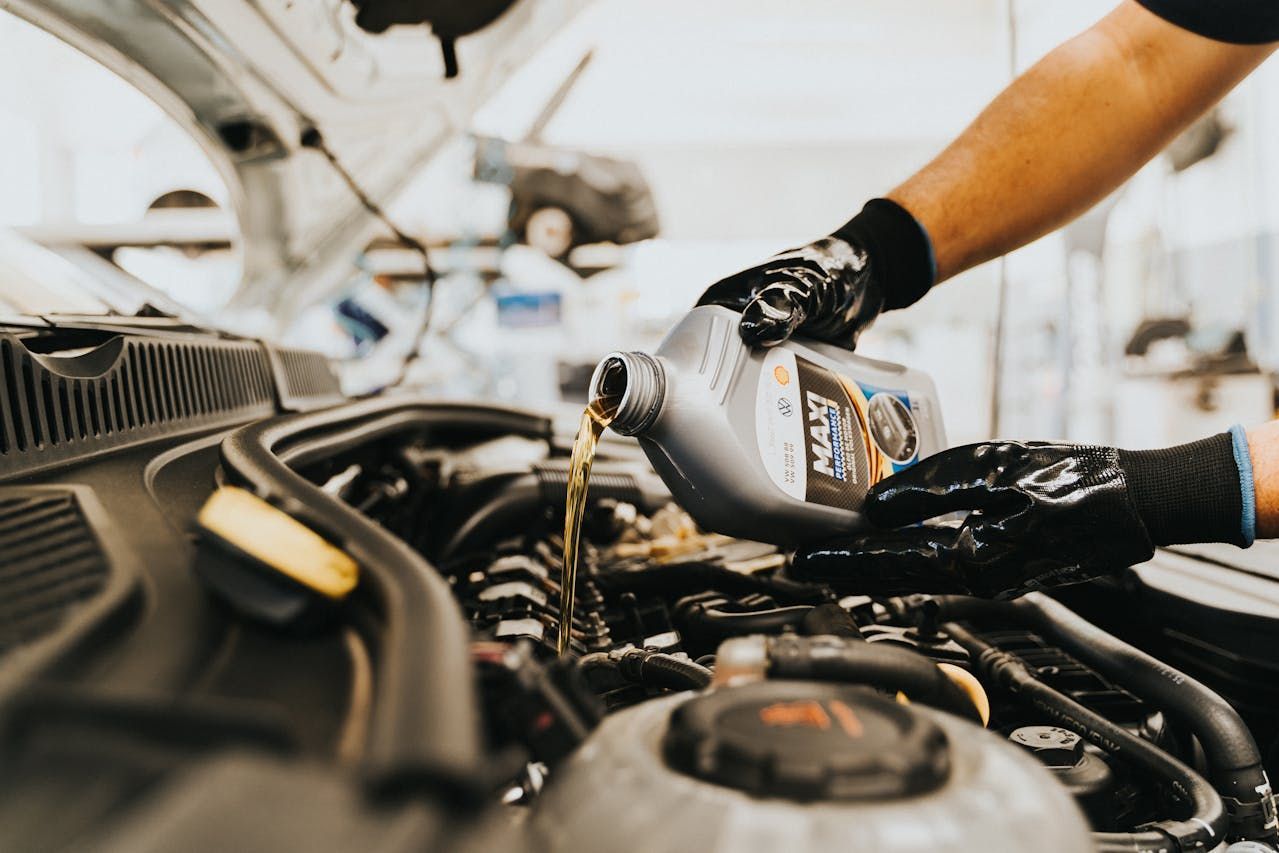
Oil plays a parallel role. It's the single biggest lever on engine life, which is why regular engine oil and filter changes keep your car running strong long past 200,000 km. Clean oil and a healthy cooling system tend to go hand in hand, since an engine running hot breaks its oil down faster, too.

How Do I Know My Engine Is Wearing Out? Early Signs Worth Checking

Engine wear rarely announces itself with one obvious symptom. It usually shows up as a handful of small changes that are easy to dismiss individually.


  • Rising oil consumption between changes, even without visible leaks, often points to worn piston rings or valve seals.
  • A new knock, tick or rattle under acceleration can indicate bearing or timing component wear.
  • Rough idling or a developing misfire may point to compression loss or an ignition issue worth scanning for.
  • Coolant needing regular topping up with no visible external leak can mean a head gasket is starting to let go internally.
  • A gradual loss of power or fuel economy over months, rather than a sudden drop, is often the first sign of accumulated wear.


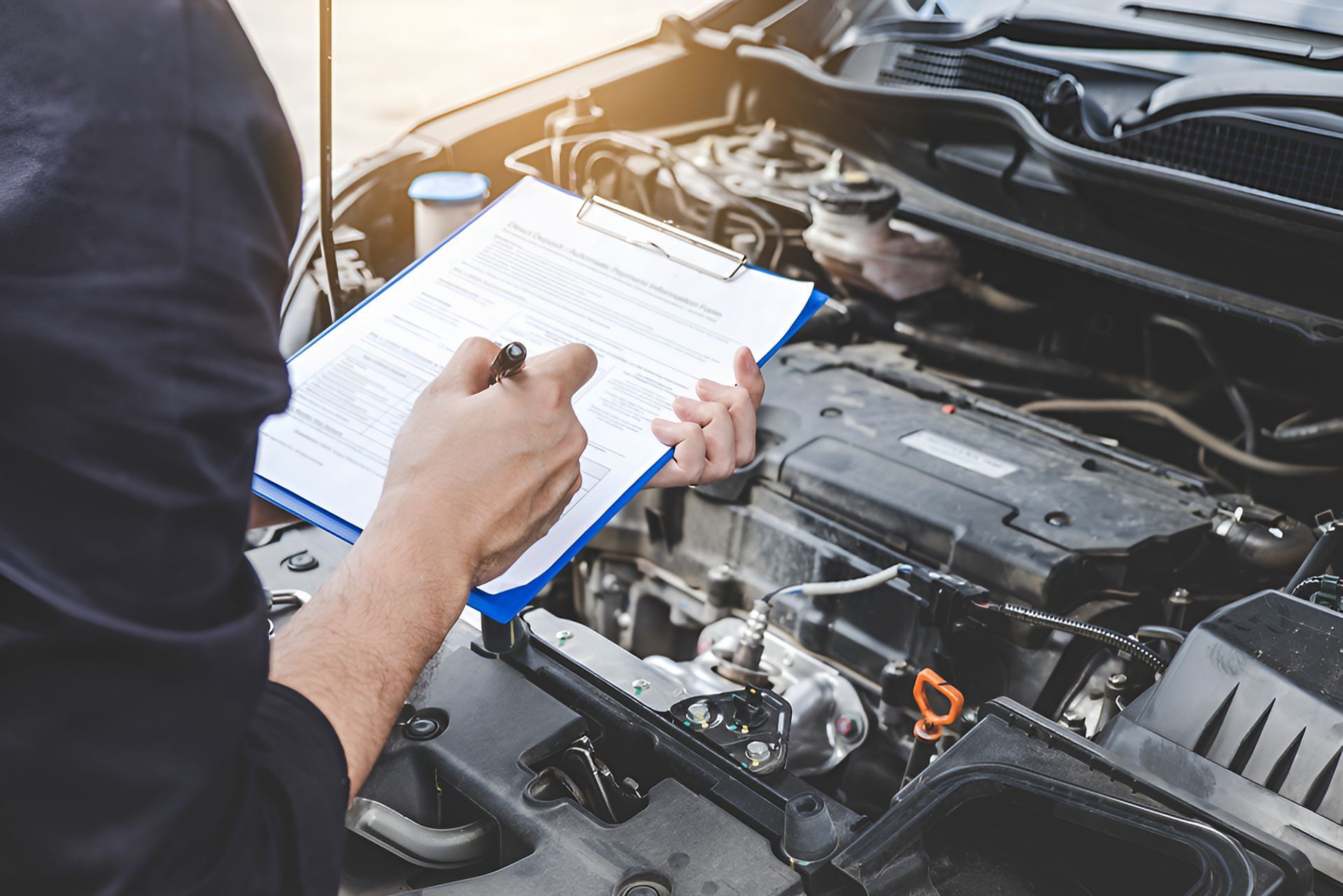
A new knock or tick under acceleration is worth reading up on – our guide to what that noise probably means covers the usual causes. On their own, most of these signs aren't an emergency. Together, or left unchecked for months, they're the kind of pattern a compression test and diagnostic scan can properly get to the bottom of.

When an Engine Is Worth Repairing – & When It Isn't

This is the question most high-kilometre owners are really asking, and there's no single answer that fits every car. It comes down to weighing the repair cost against the value and condition of the rest of the vehicle.


An engine is usually still worth repairing when the rest of the car – body, transmission, suspension – is in solid condition, when the fault is isolated rather than symptomatic of widespread wear, and when the vehicle still suits your needs. Timing belt or chain replacement, a water pump, a head gasket or a partial rebuild can all make sense on a car that's otherwise sound.


Repair makes less sense when multiple systems are failing at once, when labour cost approaches the value of the car itself, or when a diagnostic points to internal damage – scored cylinder walls, metal contamination in the oil or a cracked block – that a targeted repair won't fully resolve. In those cases, the money is often better spent on the next vehicle.


Either way, we provide a quote before any repair work is authorised, so the decision is always yours with the full picture in front of you. Regular car servicing in Bundaberg is what catches most of these issues while they're still cheap to fix.


How long does a car engine last? With the right care, most engines can comfortably reach that 250,000–300,000 km range – so if it's time for a service or you'd like an engine diagnostic check, contact Fischer Automotive today to book one in.

Frequently Asked Questions

  • How long does a car engine last?

    Most well-maintained modern engines give somewhere between 250,000 and 300,000 km, though this varies with driving conditions, maintenance history and engine design. Consistent servicing matters more than the make or model of the car.

  • Is 200,000 km too many for a car?

    Not on its own. A car with 200,000 km and a consistent service history is often a better bet than a lower-kilometre car with gaps in its records or a history of overheating.

  • What shortens the life of a car engine in Bundaberg?

    Heat soak from towing and summer temperatures, short stop-start trips that never reach full operating temperature and dust loading the air filter faster than standard intervals assume are the main local factors.

  • How often should a coolant flush be done in Queensland?

    This depends on the vehicle and manufacturer specification, but Queensland's heat and the corrosion-inhibitor depletion that comes with it generally favour the shorter end of the 'normal' schedule. A mechanic can check condition rather than just level to confirm timing.

Recent Posts

Local Mechanic Bundaberg Inspecting Vehicle Engine Components
By Fischer Automotive August 17, 2026
Discover how choosing a trusted local mechanic in Bundaberg can save time and money. Book your vehicle service today for reliable care.
Car Inspection In Bundaberg Workshop
By Fischer Automotive July 21, 2026
Wondering why your car is making noise? Learn what common sounds may mean and when to visit a mechanic in Bundaberg before small issues become costly.
Mechanic Inspecting a Car Engine — Fischer Automotive in Svensson Heights, QLD
By Fischer Automotive Client April 20, 2026
Short answer: no. But you'd be forgiven for thinking otherwise.
Mechanic Writing on a Clipboard Beside an Car Engine — Fischer Automotive in Svensson Heights, QLD
By Fischer Automotive Client March 17, 2026
Need a Safety Check? Bundaberg Mechanic Guide
Close-up of a Car Clutch Disc and Pressure Plate — Fischer Automotive in Svensson Heights, QLD
By Fischer Automotive Client February 12, 2026
Clutch Lifespan Guide: When to Replace Your Clutch
Mechanic Pouring Motor Oil Into an Engine Bay — Fischer Automotive in Svensson Heights, QLD
By Fischer Automotive Client January 18, 2026
Oil & Filter Change
Mechanic Inspecting a Car Engine and Writing Notes — Fischer Automotive in Svensson Heights, QLD
By Fischer Automotive Client December 15, 2025
The Myth That Costs Car Owners Thousands
Mechanic Pouring Oil Into a Car Engine in Repair Shop — Fischer Automotive in Svensson Heights, QLD
By Fischer Automotive Client November 12, 2025
Beyond the Obvious: What Really Fails in Bundaberg Summers
Close-up of Two Black Electrical Connectors — Fischer Automotive in Svensson Heights, QLD
By Fischer Automotive Client October 19, 2025
The Electrical Issues Most Drivers Ignore Until It's Too Late
White Car Drives Along a Narrow Road Bordered — Fischer Automotive in Svensson Heights, QLD
September 22, 2025
Why Bundaberg Summers Test Your Car's Limits
Show More