Top Signs Your Car Battery Needs Replacing: Insights from Bundaberg Mechanics

Fischer Automotive Client • 6 August 2024

Stay Ahead of Battery Failures With the Following Expert Tips from Local Bundaberg Mechanics

Your vehicle’s battery is the heart of the electrical system. If your battery is failing, your car won’t start and you end up stranded on the road. All car batteries become worn out after a few years and recognising the symptoms early and replacing them could save a lot of hassle in the future. Here is a list of the most common signs that will indicate that your car battery needs replacement.


1. Slow Engine Crank

Reduced engine cranking speed is one of the most common usual signs of a voltage loss in a battery meaning that your car battery cannot supply enough energy to start an engine. If your engine takes too long to start it is likely a warning sign of low battery life. If you find yourself often in this situation it might be time to get your battery tested by a trusted car mechanic in Bundaberg.


2. Check Engine Light

When the check engine light comes on, it can indicate various issues, It could easily be something as simple as a dead battery. Cars these days have more and more sensors onboard, and one of those sensors is designed to ensure that your battery is in good shape. If your battery is losing charge, the check engine light will likely come on for that specific issue. Although the light could be telling you about a few other things, the problem often indicates a dying battery.


3. Electrical Issues

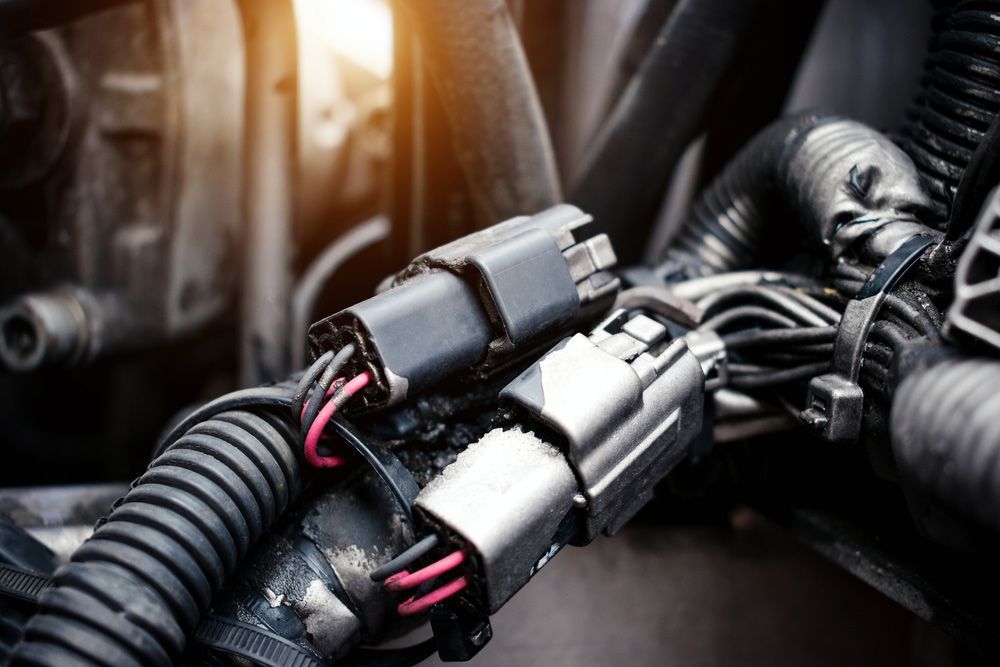
All electrical equipment in your car is driven by a battery, and the when that battery is nearing its end, pretty much every other electrical system in your car won’t function properly. Your battery might simply be on its way out if you notice one or two of the following: your headlights seem slightly dimmer than usual; your windows are taking that little bit longer to wind up and down; your radio seems to be agitating with great inconsistency. If you find a few electrical components start acting up around you at the same time, it is a clear sign that your battery needs replacing. 


4. Battery Case Swelling

Extremely high temperatures can make your battery case swell. In Bundaberg’s hot climate, it’s not unusual for car batteries to experience thermal expansion. A swollen battery case is a serious problem that means the battery is too hot. This can also lead to a dangerous scenario where the battery can burst out. If you see that your battery case has swollen, ask for help immediately from a qualified auto electrician in Bundaberg.


5. Battery Age

Generally, car batteries last between three and five years. If you are in this age range of your battery, it would be good if you started paying closer attention to how it performs. Even if nothing seems wrong with it, having it tested once a year by a mechanic can save you from unexpected failures. This helps in making sure that your car remains functional all the time.


6. Battery Terminals Corrosion

Battery terminals corrosion is one of the most common problems that lead to poor electric conductance. The white powdery substance around terminals is often associated with this form of oxidation. Sometimes cleaning these areas restores their intended functioning but ongoing decay points out that the cell within them wears away at an alarming rate instead. Thus, if you keep on having to clean up your terminal ends then replacement should be considered as soon as possible.


7. Jump Starts That Occur Often

Frequent jump starts indicate the battery does not keep the charge. Occasionally jumpstarting can be caused by such things as leaving a light on or other user mistakes, but regular jumpstarting indicates it is time for a replacement of a failing battery.


8. Unusual Smells

A failing battery can also give out a smell of rotten eggs, this is because it contains sulfuric acid that is leaking. This rather pungent smell is not just unpleasant but rather dangerous since it could be a sign that there is a leak. If you notice a stench coming from under the hood, it is recommended to take your car to the shop. Leaking acid can corrode other parts of the engine and it is also dangerous when it comes to handling.


9. Low Battery Fluid Level

Most cars use a battery that has a section of the casing that is see-through to enable you to look at the fluid level. If the fluid level is falling below the lead plates which are the energy conductors, then your battery is overcharging or overheating. Inadequate levels of battery fluids can cause the battery to fail premature. It is also important to check and ensure that battery fluids are always at the right levels to increase the life span of the battery.


Conclusion

Recognising any of these signs of a failing battery may very well save you from having a vehicle breakdown. If you experience any of these signs, then it is time that you should consult a reliable auto electrician in Bundaberg. They can test your battery and if needed provide a battery replacement. The overall health of car batteries as well as the replacement of your car battery regularly helps to keep your car reliable and safe on the road.


For top-notch auto electrical services in Bundaberg, reach out to local experts who have experience with battery and electrical needs.
Reach out to our team of experts in auto electrical services in Bundaberg 


by Fischer Automotive Client 20 April 2026
Short answer: no. But you'd be forgiven for thinking otherwise. If you've ever bought a new car, you've probably felt a quiet pressure to take it back to the dealership every time a service is due. The logbook has a box for their stamp, the salesperson mentioned it at handover, and somewhere in the back of your mind there's a worry that going elsewhere might void your warranty. It's one of the most persistent myths in Australian motoring, and it costs drivers a lot of money every year. Here's what's actually going on, and what your rights are. The Warranty Myth, Debunked Under Australian Consumer Law, you are legally entitled to have your car serviced by any qualified, independent mechanic without voiding your manufacturer's warranty. The Australian Competition and Consumer Commission has been explicit about this for years. Any licensed repairer can carry out your logbook service, stamp your book, and your warranty remains completely intact, as long as the work is done to manufacturer specifications using quality parts. The ACCC has also acknowledged that some manufacturers and dealerships have used confusing language in logbooks and service manuals to create the impression that dealer servicing is mandatory. It isn't. If a warranty claim is ever declined solely because your car was serviced outside a dealership, that's actually a problem the ACCC wants to hear about. There is one exception worth knowing: if you've purchased a separate extended warranty through the dealer (not the standard manufacturer's warranty that came with the car), that extended warranty may have its own conditions requiring dealer servicing. It's worth checking the fine print on any add-on warranty products. But your standard factory warranty? That's protected regardless of where you service. What a Logbook Service Actually Is A logbook service follows the specific maintenance schedule your vehicle's manufacturer has set out for that make and model. It's not a one-size-fits-all service. Different cars have different intervals, different fluid specifications, different components that need checking at different mileage points, and a proper logbook service accounts for all of that. The difference between a logbook service and a standard service is documentation and precision. A standard service covers the basics: oil, filters, a general check. A logbook service works through every item on the manufacturer's schedule for that particular interval, records it properly, and gets stamped in your logbook. That record matters for two reasons: it keeps your warranty valid, and it protects your car's resale value. A complete, stamped service history is one of the first things a buyer or dealer looks at when assessing a used vehicle. Why It Matters More Than People Realise Skipping logbook services, or substituting them with cheaper basic services, might save a bit of money in the short term. Over time though, the costs compound in a few ways. Manufacturer-specified maintenance exists because engineers have worked out exactly what a vehicle needs at each interval to perform correctly and last the distance. When those intervals get ignored or done incompletely, small issues that would have been caught early become larger ones. Worn brake fluid absorbs moisture and loses effectiveness. Timing belts stretch beyond spec and then break. Coolant degrades and the system starts running hot. None of these announce themselves loudly until they've already become a real problem. Then there's resale. A car with a full, properly stamped service history is worth noticeably more than the same car without one. Buyers pay attention to this, and so do dealers when they're valuing a trade-in. The money you save skipping services rarely offsets what you lose when it's time to sell. How to Know When Your Logbook Service Is Due Your logbook will tell you. Most manufacturers schedule services based on either a kilometre interval (commonly every 10,000 or 15,000 km depending on the vehicle) or a time interval (often every 12 months), whichever comes first. Both matter. A car that's done low kilometres but sat for 18 months still needs a service, because fluids and seals deteriorate over time regardless of how much the car has moved. If you're not sure where your car is in its service schedule, a good mechanic can check the logbook and the vehicle's current condition and advise you from there. What to Expect at Fischer Automotive At Fischer Automotive in Bundaberg, logbook servicing is one of the most common jobs we do. We follow the manufacturer's schedule for your specific vehicle, use quality fluids and parts that meet the required specifications, and document everything properly in your logbook. Your warranty stays valid, your service history stays clean, and you're not paying dealership prices to get it done. We service all makes and models, including cars, SUVs, 4WDs, and light trucks, and we're straightforward about what's needed and what it'll cost before we start. If we spot something during the service that needs attention, we'll tell you clearly and let you make the call. Give us a ring to book your next logbook service, or drop into our workshop on Enterprise Street. 
by Fischer Automotive Client 17 March 2026
Need a Safety Check? Bundaberg Mechanic Guide
by Fischer Automotive Client 12 February 2026
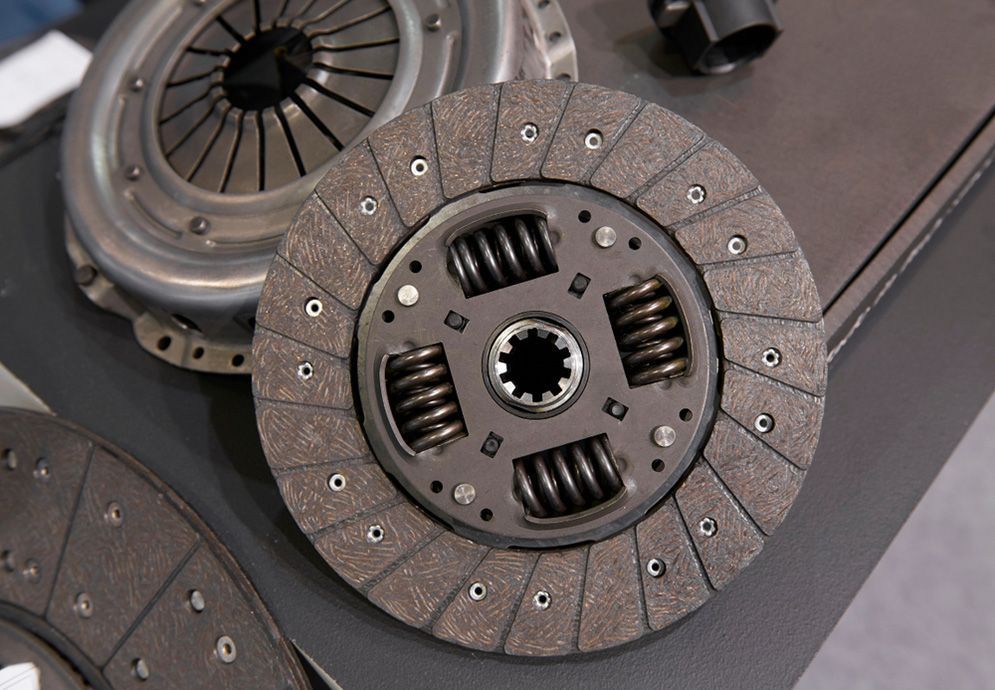
Clutch Lifespan Guide: When to Replace Your Clutch
by Fischer Automotive Client 18 January 2026
Oil & Filter Change
by Fischer Automotive Client 15 December 2025
The Myth That Costs Car Owners Thousands
by Fischer Automotive Client 12 November 2025
Beyond the Obvious: What Really Fails in Bundaberg Summers
by Fischer Automotive Client 19 October 2025
The Electrical Issues Most Drivers Ignore Until It's Too Late
22 September 2025
Why Bundaberg Summers Test Your Car's Limits
by Fischer Automotive Client 18 August 2025
Why Regular Car Maintenance Matters More Than You Think
by Fischer Automotive Client 8 July 2025
How to Keep Your Car in Top Condition Through Bundaberg’s Changing Seasons